
Last updated September 20, 2026
Full 25-point door and opener safety check with every visit - springs, cables, rollers, tracks, and your LiftMaster or Chamberlain opener included
You get a price before we start. It does not change when the truck arrives.
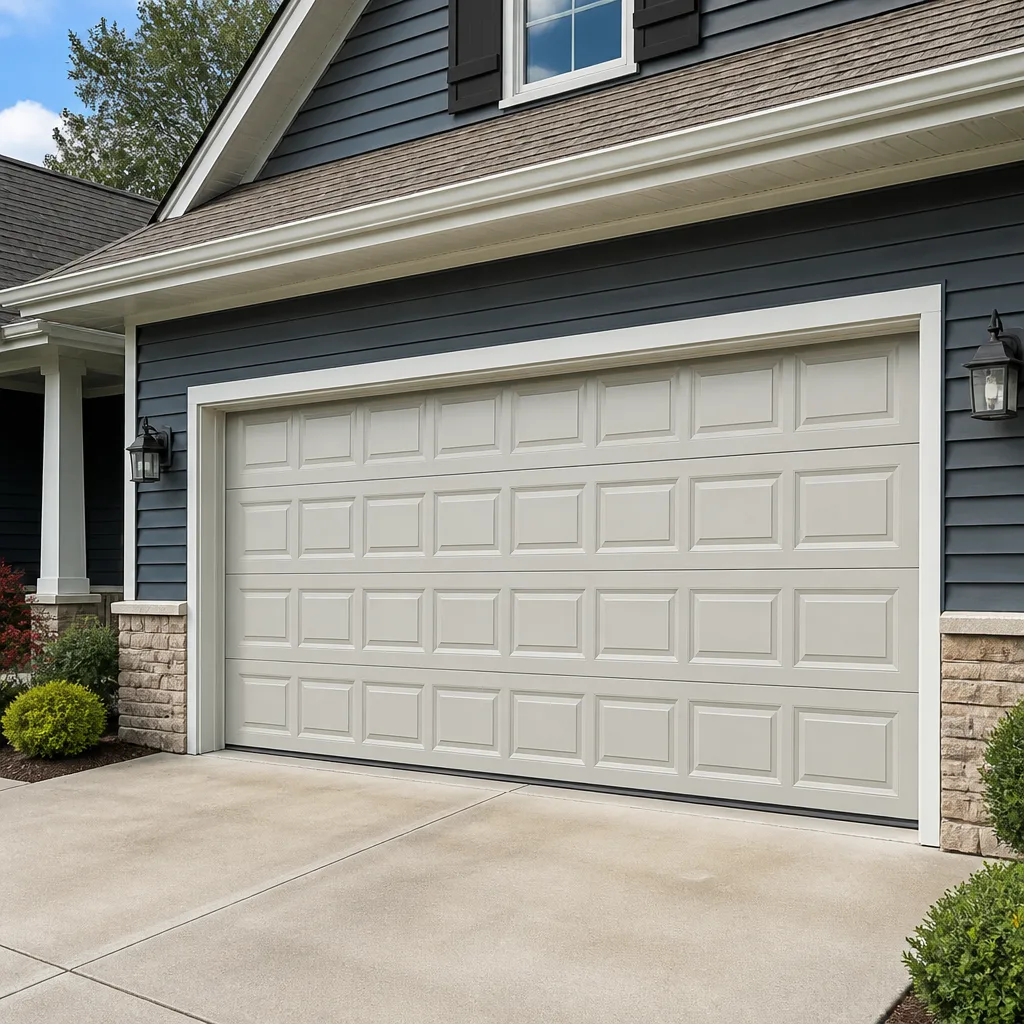
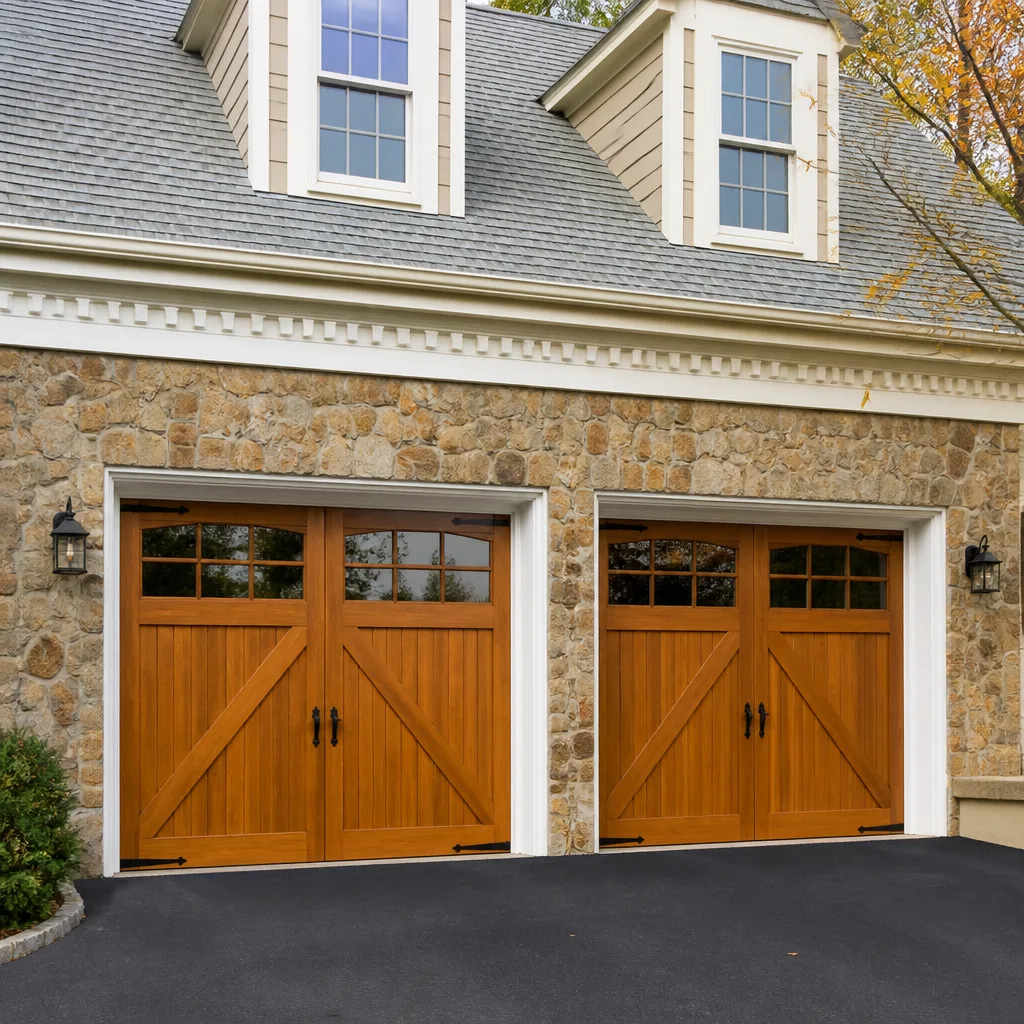
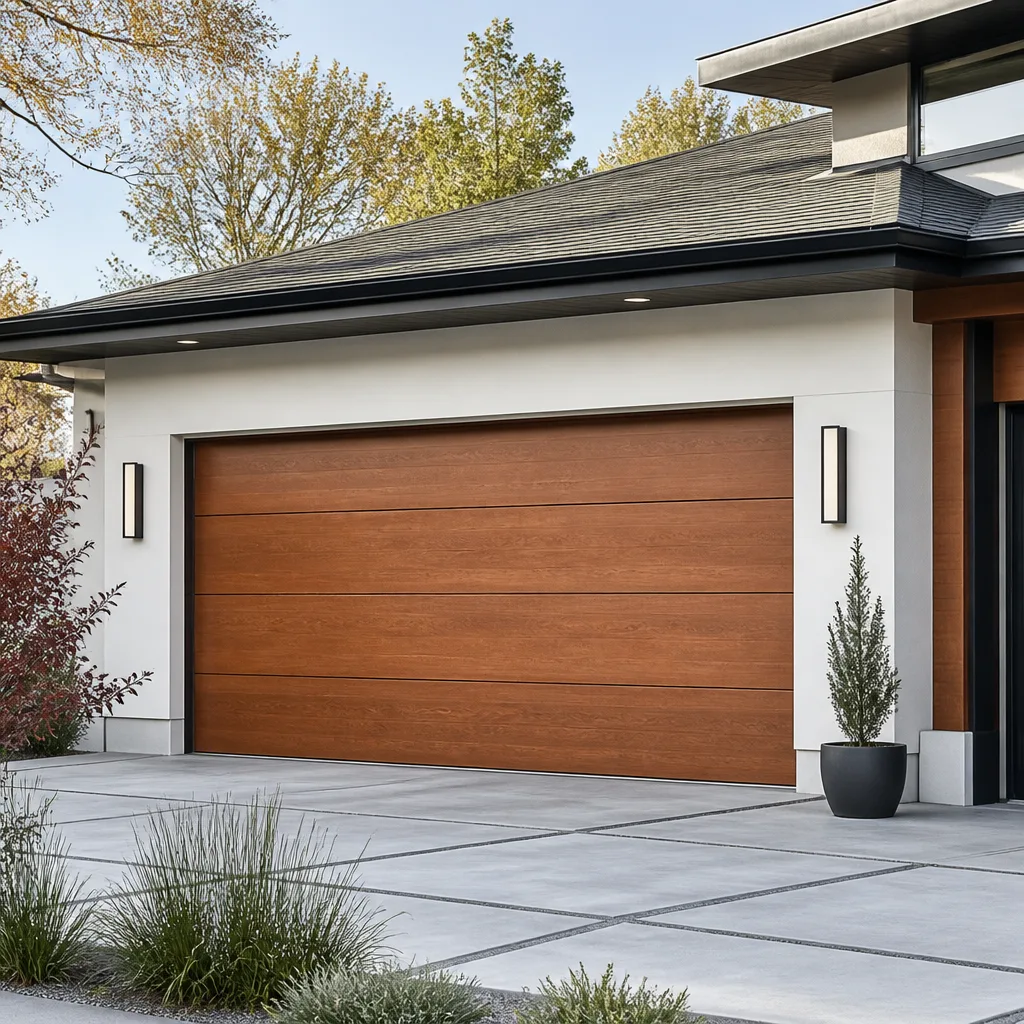
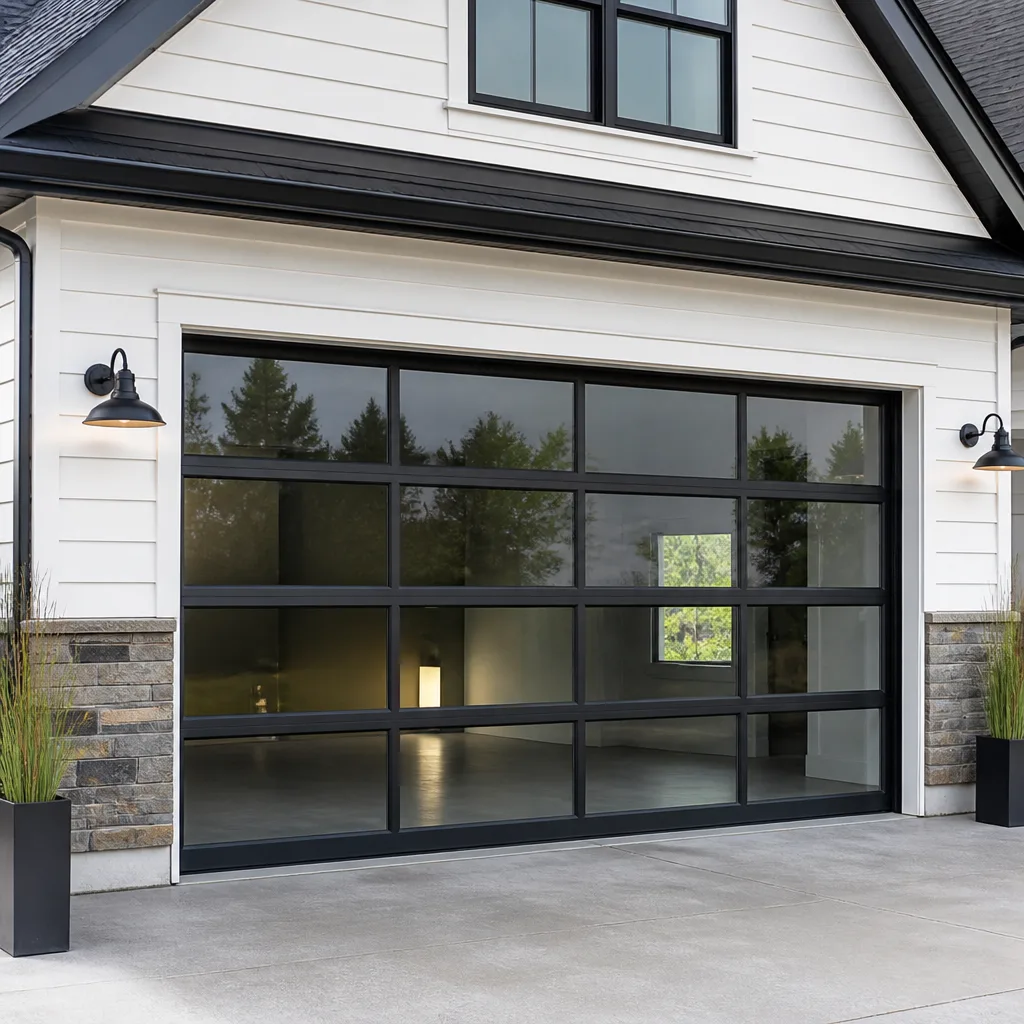
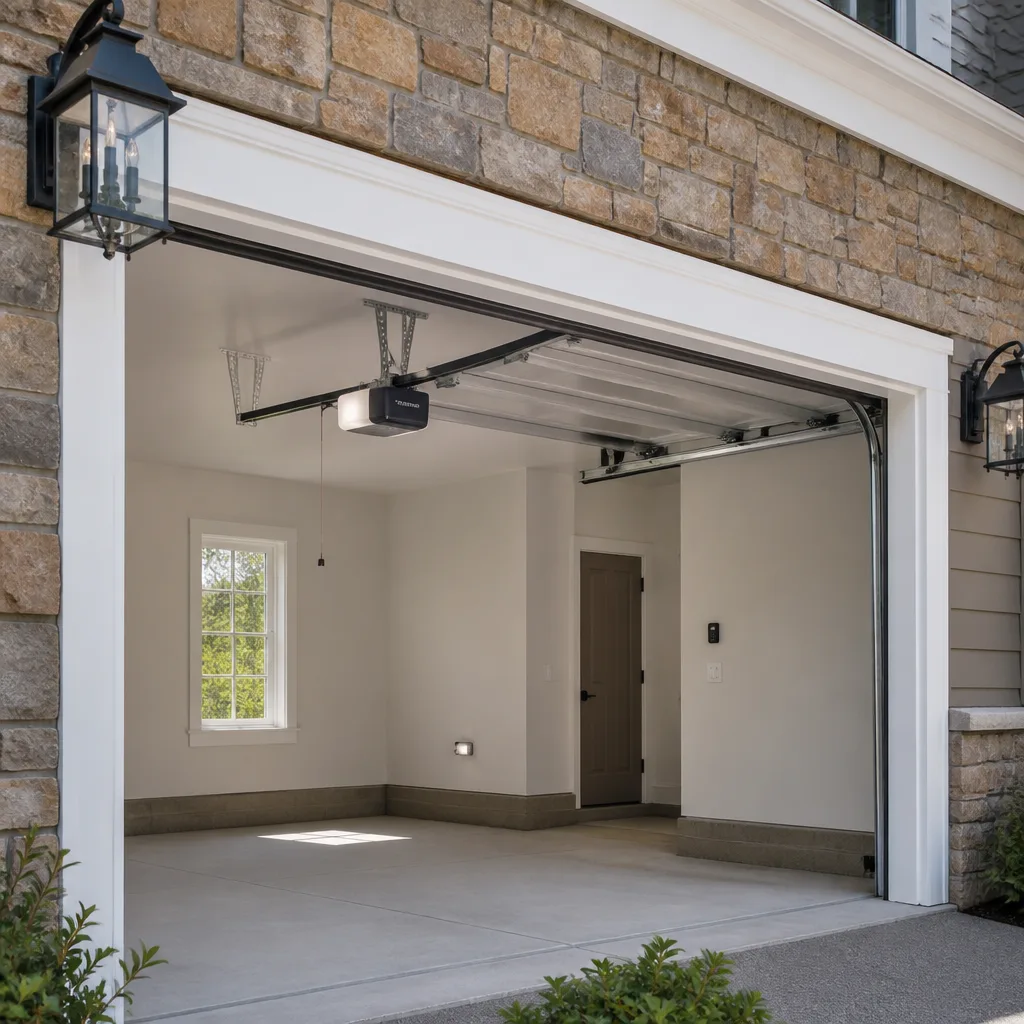
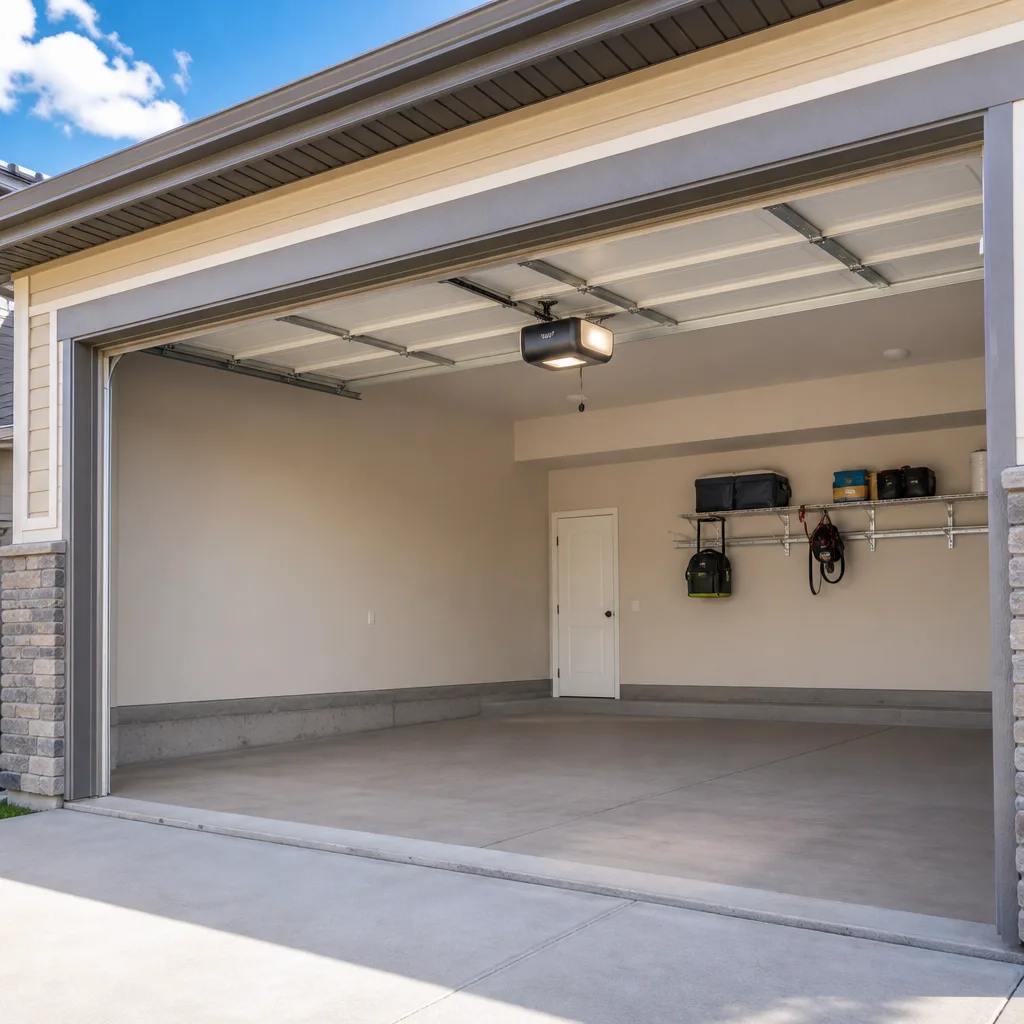
 Before
 After
After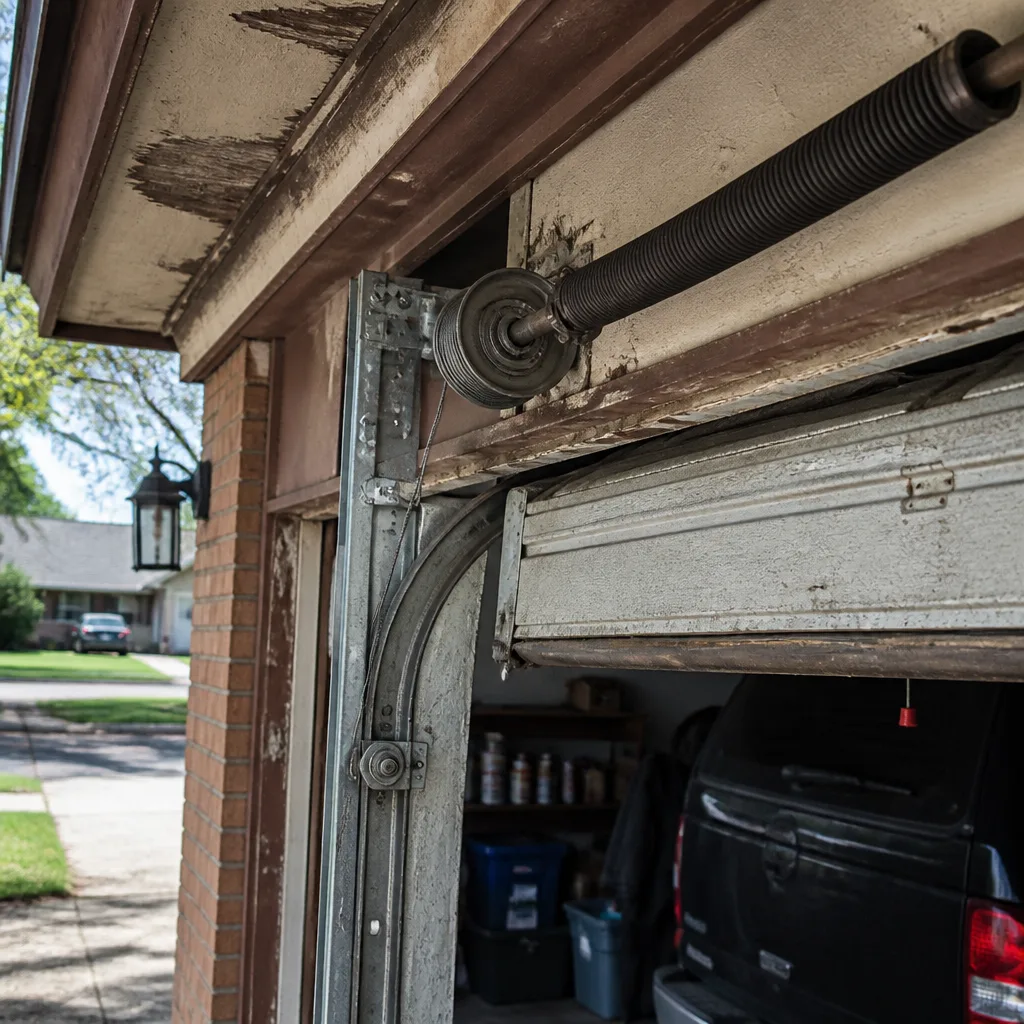 Before
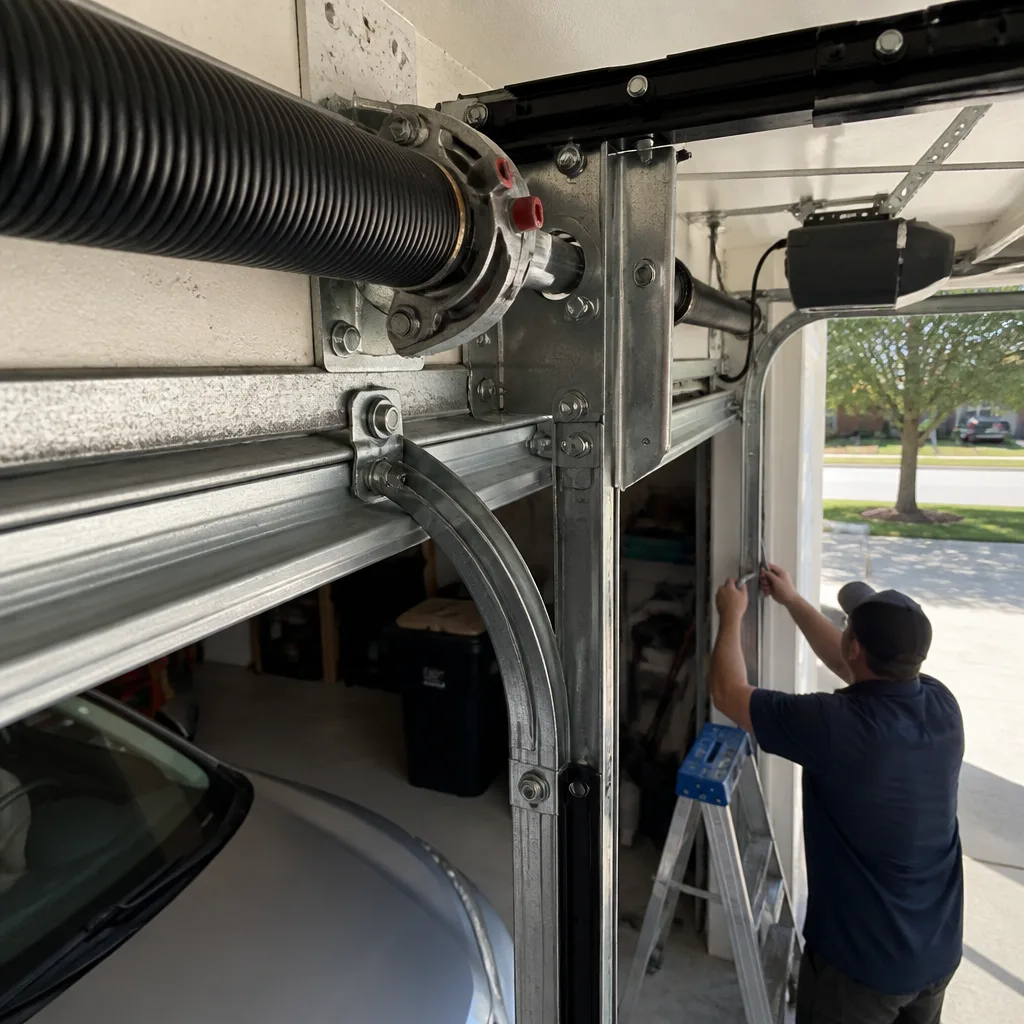 After
After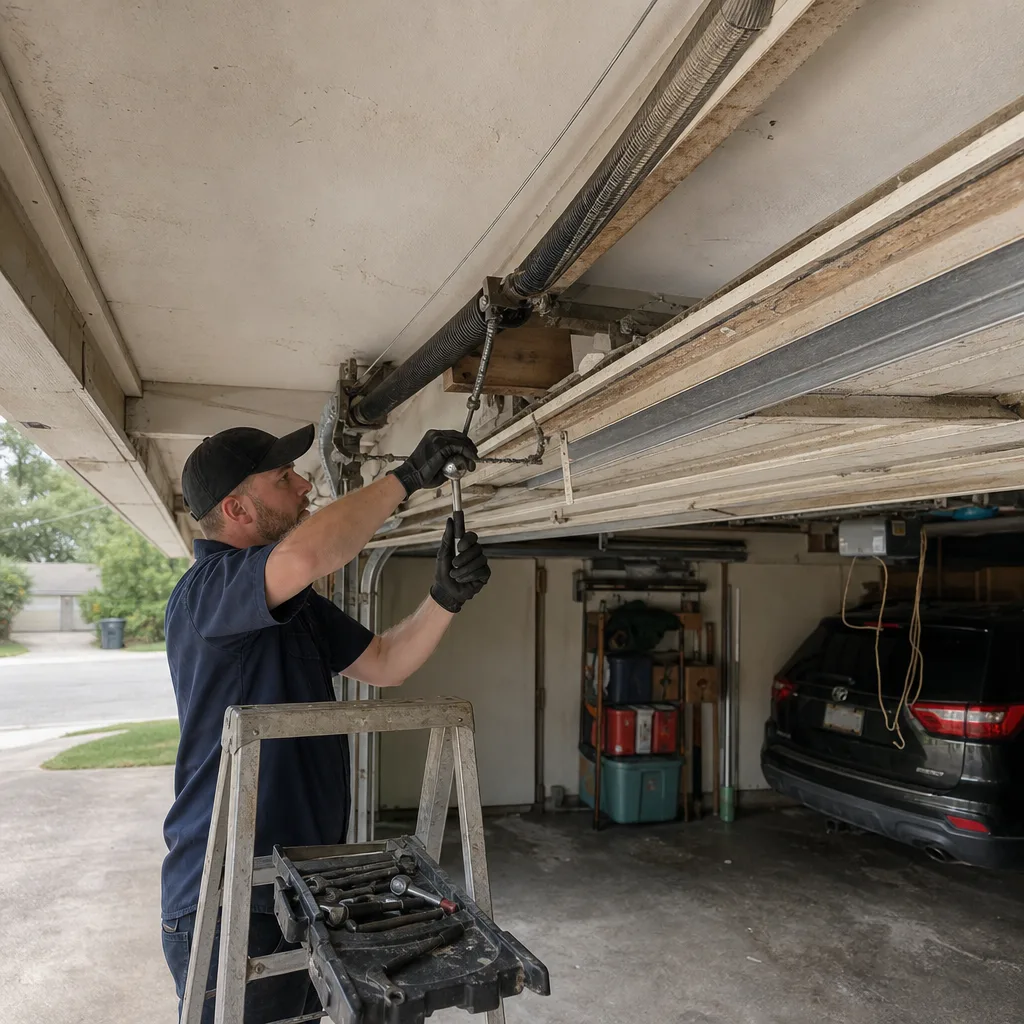 Before
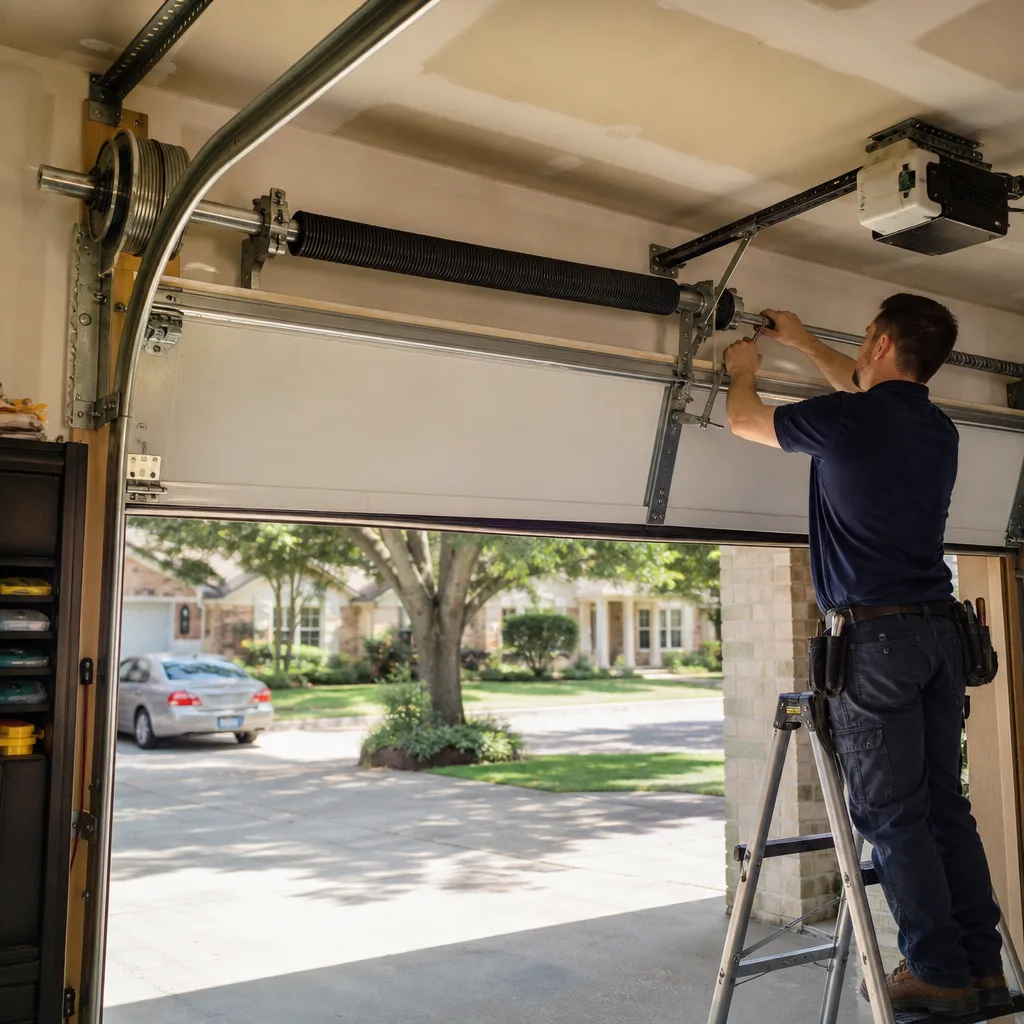 After
AfterThe Complete Guide to Garage Door in Richardson
Most Richardson homeowners can name their car’s engine displacement but draw a blank when asked whether their garage door runs a torsion or extension spring system. That distinction alone changes the repair cost by $80 to $220 depending on what failed and what’s still working. This guide maps every component, material, and drive type you’re likely to find on a home in Richardson, so the next time something breaks at 7 a.m. on a weekday, you’ll know what to look at, what to say, and what a fair price actually is before you pick up the phone.
Quick Answer
A residential garage door in Richardson is a system, not a single piece: spring assembly, steel or composite panels, roller track, and a motorized operator, each with its own failure pattern and typical repair cost. A complete understanding starts with knowing whether your door runs torsion springs (mounted on a bar above the opening) or extension springs (stretched along the side tracks), because that determines how a technician diagnoses the job. Most Richardson homes use either a 16×7 or an 18×7 door, and the material choice that holds up best against North Texas humidity swings is a 24-gauge or thicker steel panel with a polyurethane core.
Table of Contents
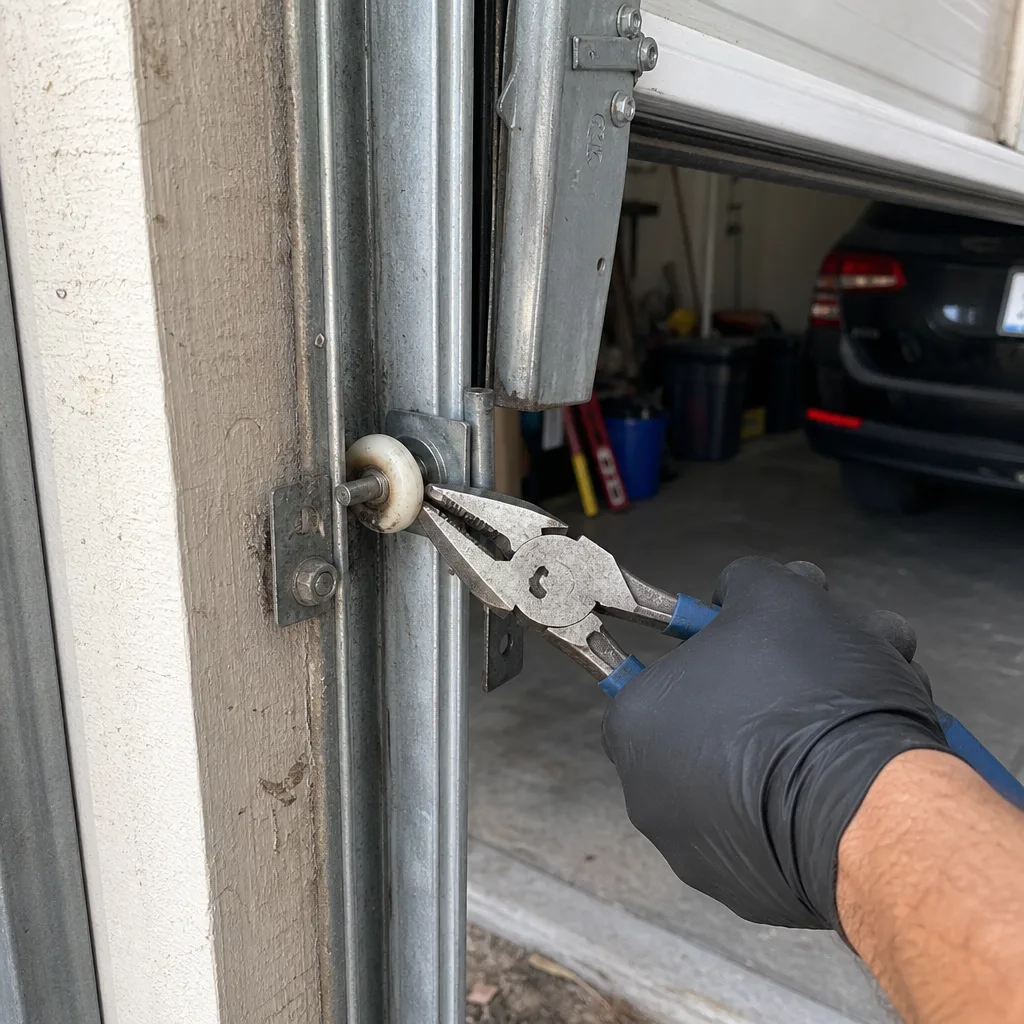
- The Anatomy of a Richardson Garage Door System, Part by Part
- Door Materials That Survive Richardson Humidity and Hail
- Drive Systems: Chain, Belt, Screw, and Jackshaft
- How to Read Your Door’s Rating Label: Wind Load and R-Value
- The Paper Trail: What to Keep on File Before It Breaks
- What Each Component Costs to Repair in Richardson
- Torsion vs. Extension Springs: Why the Distinction Matters
- Garage Door Openers and the Logic Board Failure Pattern
BeforeAfterThe Anatomy of a Richardson Garage Door System, Part by Part
Garage door terminology is not intuitive, but it is learnable in ten minutes. When a technician from any garage door repair company in Richardson refers to the “trolley carriage” or the “limit switch,” you’ll know what they mean because you read it here first. Here is the system, top to bottom.
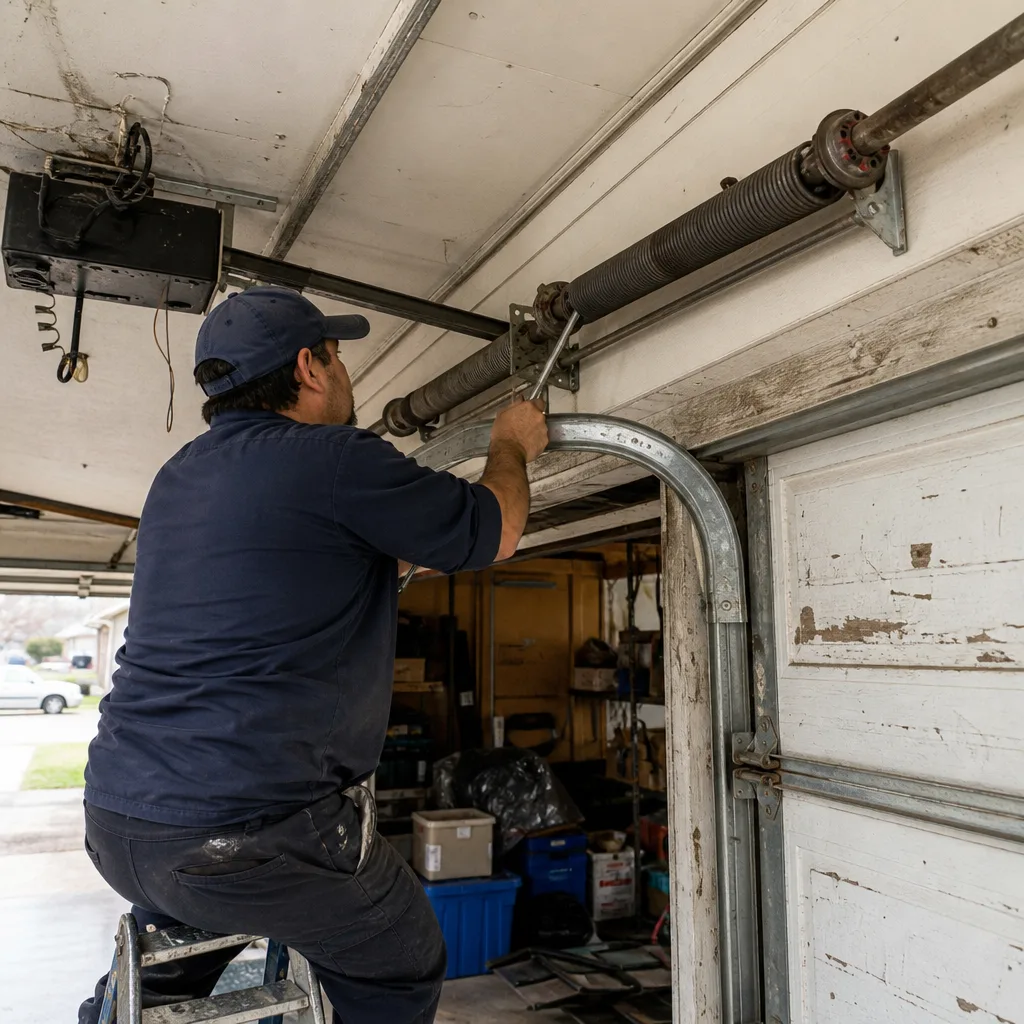
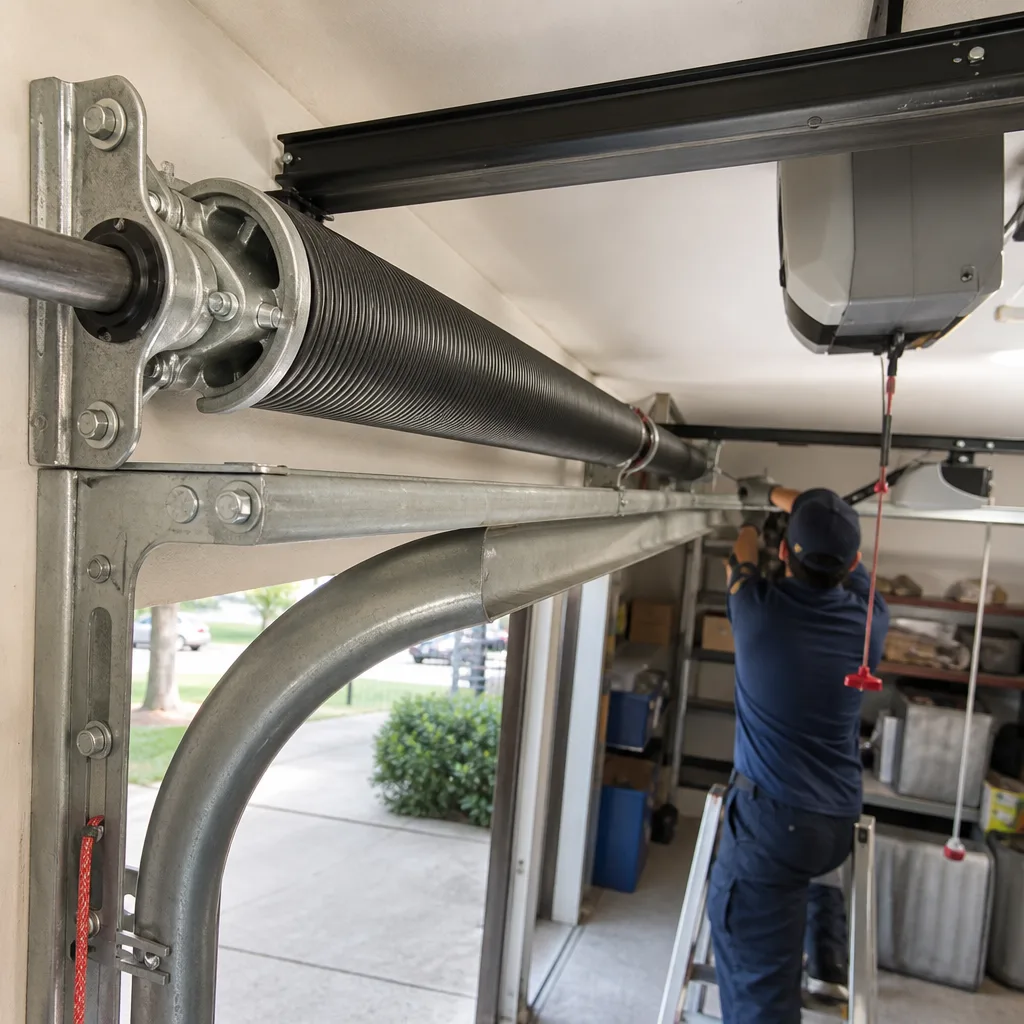
The torsion spring assembly sits on a metal bar running parallel to the door’s top edge, mounted to the header above the opening. This is the counterbalance system: springs are what actually lift the door. The motorized opener does the charming part; the springs do the heavy part. In most Richardson homes, you’ll find one or two torsion springs, each with a wire diameter stamped by the manufacturer. When we arrive at a house in Canyon Creek or Arapaho Heights, the first thing we inspect is whether the spring broke at the coil and whether the wire measures to what the door requires.
The extension spring system, more common on doors built before 2000, uses springs that stretch horizontally along the two side tracks. These are under enormous tension and unlike torsion springs, they have no containment rod if the old installation lacked one. If you own an older home in Richardson Heights, it’s worth knowing which system your door has.
Other parts you’ll hear named:
- Panels (sections): The hinged horizontal boards that fold as the door opens. Steel panels in Richardson are typically 24, 25, or 26 gauge, with lighter gauges being thinner and more dent-prone in hail season.
- Rollers: The small wheel assemblies that carry the door along the track. Nylon rollers run quieter than the steel rollers still found in older Richardson garages; they also protect the steel track from wear.
- Torsion tube and drums: The bar and spool assemblies at each end that wind and unwind the lifting cables.
- Lifting cables: Steel cables that connect the bottom bracket to the drums on either side. A frayed cable is red flag that should be addressed before it snaps and drops one side of the door.
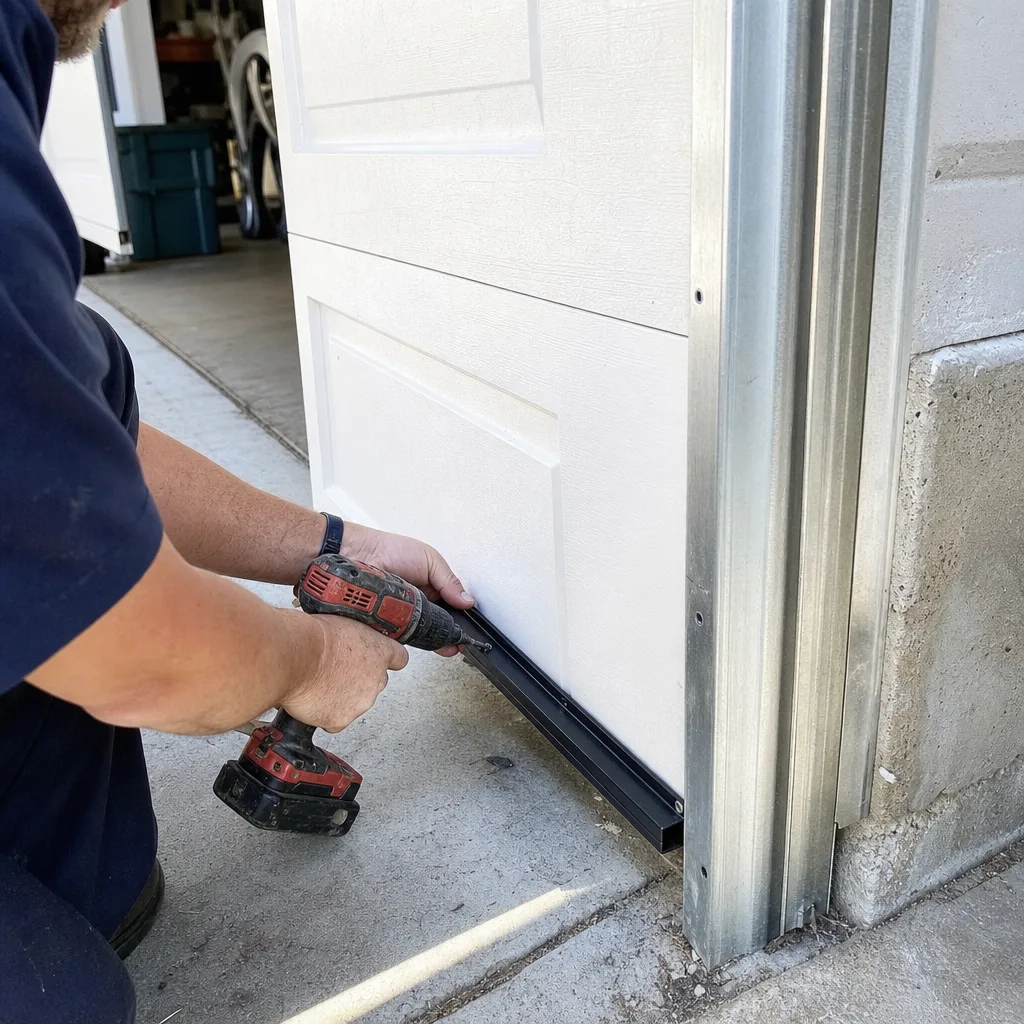
- Bottom seal (weatherstrip): The rubber strip along the floor edge. It wears down from Texas sun exposure and lets in dust, water, and on one memorable Spring Valley call, a family of scorpions.
- Operator (opener): The motor unit itself, often mounted to the ceiling on a steel rail.
- Photo eyes: The paired infrared sensors, one on each side of the door, typically six inches off the concrete. If one was bumped by a garbage bin, your door refuses to close.
- Limit switches: Internal or external mechanisms that tell the operator where the open and closed positions are.
Each item here can fail independently. Knowing the name means you can call a technician and describe the symptom accurately without wasting a trip or misdirecting a diagnosis.
Door Materials That Survive Richardson Humidity and Hail
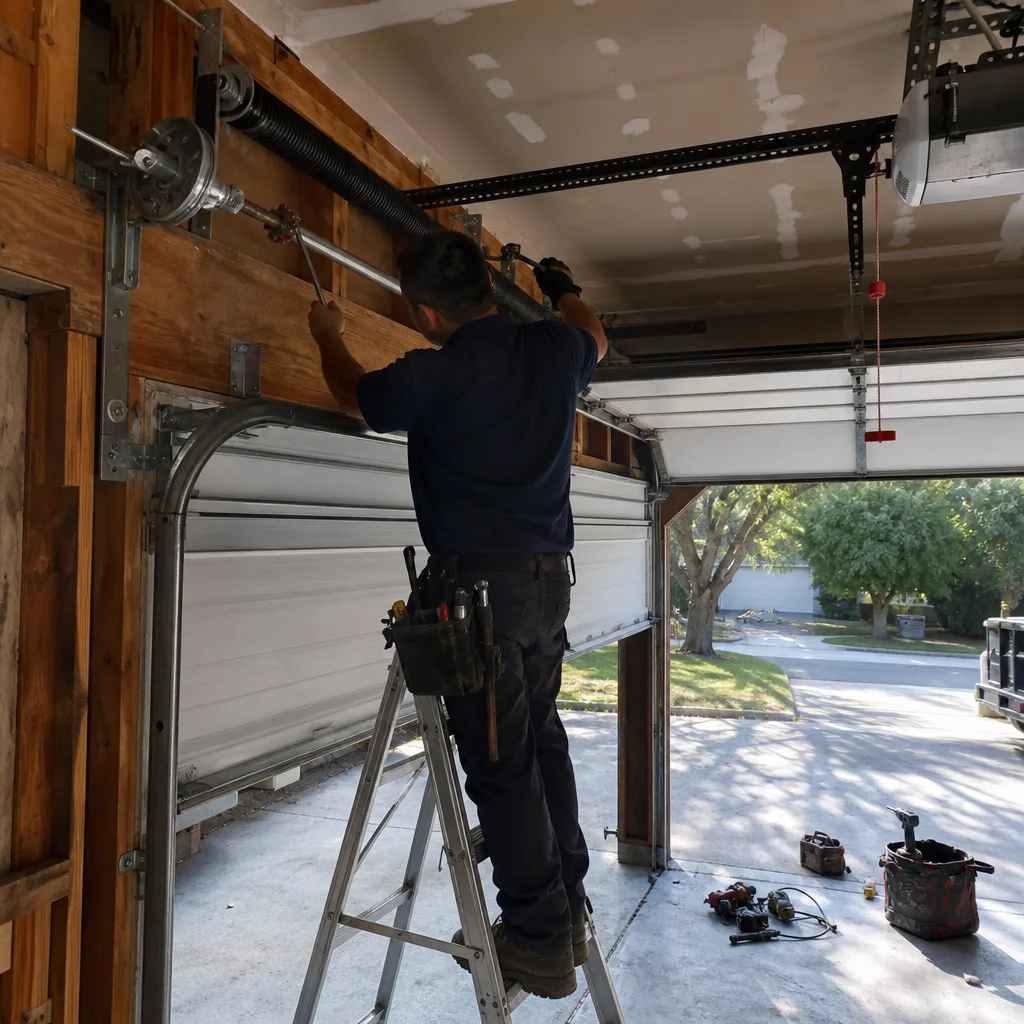
Richardson sits in a climate that tests garage doors hard: high summer humidity, freeze-thaw cycles in winter, and spring hail that arrives every year with a sound like someone throwing gravel at sheet metal. The door that survives best is the one that was engineered for this combination.
Steel doors, 24 gauge or thicker, are the default choice for Richardson homes. They resist warping from humidity, unlike cheap wood doors, and they take hail impacts better when the steel is thicker. A 26-gauge panel will dent from a golf-ball hailstone; a 24-gauge panel might survive it. The difference in cost at installation is anywhere from $80 to $180 per door, and in our experience, that money returns the first time a North Texas thunderstorm walks through.
Polyurethane core insulation beats polystyrene. Two doors can look identical on the outside and be completely different on the inside with a one-inch layer of foam between the steel skins. Polyurethane is injected and bonds to the steel, adding rigidity and thermal resistance. Polystyrene is a slapped-in board. If your garage is attached to your home and shares a wall with a finished room, the R-value of the door affects the temperature of that room. For a detached Richardson garage that just holds a car and a mower, basic insulation may be all you need.
Wood and wood-overlay doors demand maintenance. A natural cedar door on a Prairie Creek home is a beautiful thing until the first humid summer starts curling the boards. Wood-overlay composite gives you the look without as much of the movement, at roughly 40 to 60 percent more than painted steel. If you choose wood in Richardson, expect to reseal or repaint every two to three years or watch daylight appear through the joints.
Fiberglass and vinyl doors work well for coastal environments, but for Richardson, they are a niche product. Vinyl won’t rust or dent from hail, but it flexes and can crack in the low teens during a rare hard freeze. Steel remains the value leader for the typical Richardson home.
Drive Systems: Chain, Belt, Screw, and Jackshaft
The drive system is what connects the operator motor to the door itself, and the four basic types each suit a different Richardson garage configuration.
- Chain-drive: A metal chain runs along the rail. It is the least expensive, handles heavy doors easily, and makes a rattling racket that empties a bedroom above the garage. Best for detached garages in Richardson where noise travels less.
- Belt-drive: A steel-reinforced rubber belt replaces the chain. It is noticeably quieter when adjusted correctly, and it’s the smart choice when a bedroom sits directly over the garage, as with many two-story homes in the Richardson Heights and Reservation areas. Belt-drive operators from Chamberlain and Genie are standard issue in these houses.
- Screw-drive: A threaded steel rod rotates to push the carriage. Fewer moving parts, which sounds good, until you live through a summer of repeated thermal expansion and contraction of the rail. Screw-drive is a trade-off to consider carefully, and we rarely recommend it for attached Richardson garages.
- Jackshaft: The motor mounts on the wall beside the opening, not on the ceiling. It runs the torsion bar directly. This is the answer for high-lift conversions, garage ceilings with low clearance, and two-car detached Richardson garages that want to use overhead space for storage. Jackshaft operators from LiftMaster and Genie cost more than a belt-drive, but they change what you can do with the garage itself.
The right drive system for you starts with the question: is your garage attached to a bedroom, and is that bedroom occupied during the hour someone leaves for work? If the answer is yes, a belt-drive is not a luxury. It is the difference between a marriage counselor and a garage door technician.
How to Read Your Door’s Rating Label: Wind Load and R-Value
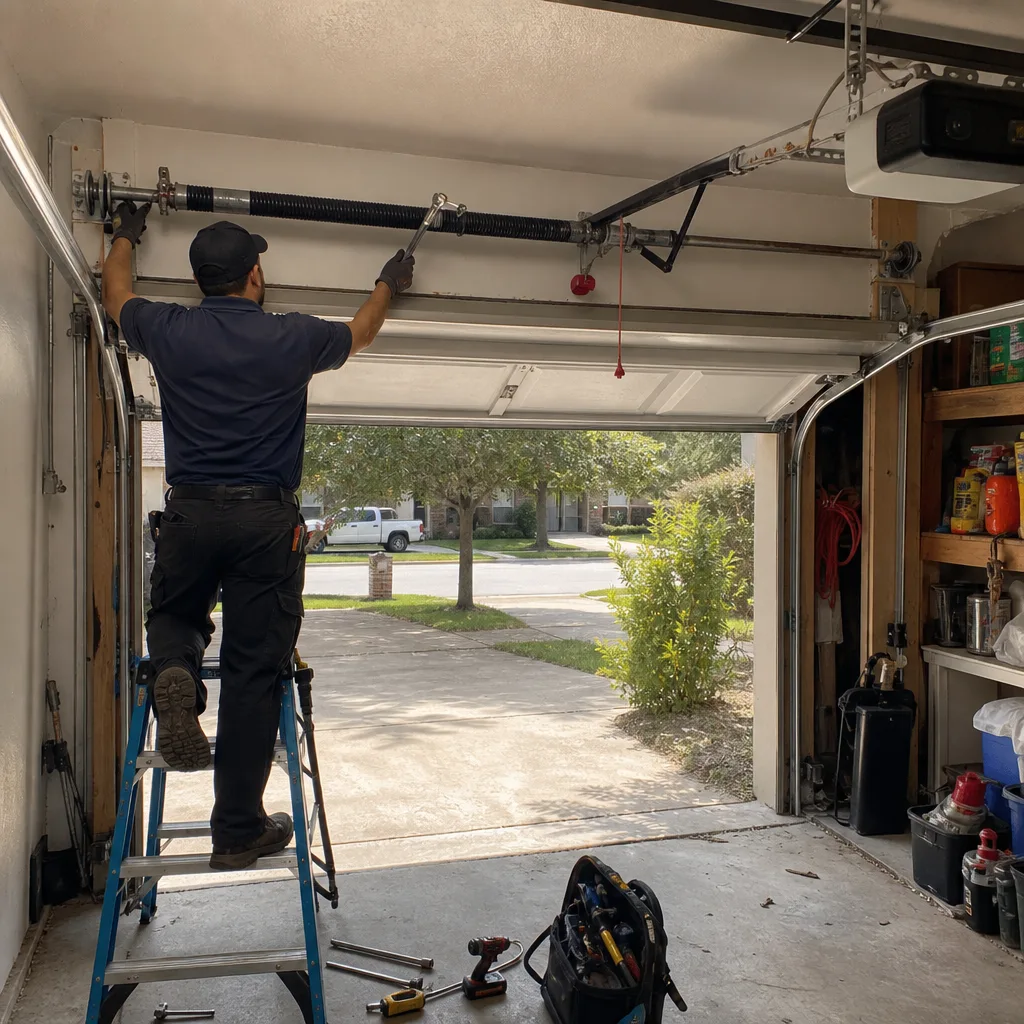
Every garage door manufactured for the U.S. market since 1994 carries a manufacturer’s label, usually stuck to the inside face of one of the end stiles. On your Richardson door, it takes five minutes to find and will tell you more than any sales conversation.
Time to read it, step by step.
- Locate the label. Look along the left or right inside edge of the door, on the vertical metal frame of a top or bottom section. It’s a white or silver sticker about the size of a paperback book.
- Find the model number and series. Clopay, Amarr, and Wayne Dalton each use a model code. Write it down. When you call any Servo Garage Doors Richardson home technician for repair, that model number lets us look up the original door’s spring specs before we arrive.
- Read the wind-load rating. You’ll see a designation like “110 mph” or a listed design pressure in psf. Richardson sits in a wind zone where doors are generally rated from 90 to 130 mph depending on installation year and enclosure classification. If a storm comes through and you file an insurance claim, the adjuster will want this information.
- Note the R-value. An uninsulated steel door runs R-4 to R-6. A polyurethane-core steel door in Richardson should run R-12 to R-18. The higher the number, the less temperature bleed into the garage, and the better the door resists flexing under wind load.
- Check the manufacture date. If your door is 15 or more years old and running an original extension spring, you are approaching the fatigue window. Springs have cycle life ratings, not calendar years, but older doors in Richardson fail in clusters every March and September when temperature shifts put the highest stress on the steel.
One more note: the label is evidence. When we photograph a door’s rating label during a visit in Richardson, it goes into the documented photo record the customer receives at the end of every call, alongside photos of the failed component and the completed work. That record is why The Haven Standard’s Clause 4 exists. We photograph the failed part before quoting a replacement, and the label is part of what we document.
The Paper Trail: What to Keep on File Before It Breaks
Most homeowners treat a garage door like a refrigerator. It runs, it hums, and no one thinks about it until it fails. When it fails, you want three things in a folder or a phone camera roll.
First, your door’s manufacturer and model. The rating label discussed above is the starting point. A photo of that label, taken today, gives any technician in Richardson the spring size, door weight, and track configuration before setting foot on your driveway. That shortens the diagnostic time from an hour to fifteen minutes.
Second, your previous repair records. If you’ve had a spring replaced, a cable swapped, or an opener installed, keep the invoice. A good invoice shows the part number, the wire diameter of the spring, the cycle rating of the replacement, and the date. When we review a customer’s ten-year service history on a home in Reservation, the paper trail tells us what’s wearing faster than expected and what was under-spec’d last time.
Third, your warranty information. Manufacturer warranties on springs, panels, and openers typically range from one year to “lifetime” depending on the product line. If a Chamberlain or Genie opener fails under warranty, Richardson homeowners can often get a free replacement part from the manufacturer, but only if they can produce the documentation in time to matter.
If none of this exists, the fastest way to build the file is to have a licensed technician perform an inspection and write down everything they find. Servo Garage Doors Richardson performs these walkthroughs and leaves the customer with a written scope, a written price for anything found, and the photographic record that supports it. No appointment ends without paper.
What Each Component Costs to Repair in Richardson
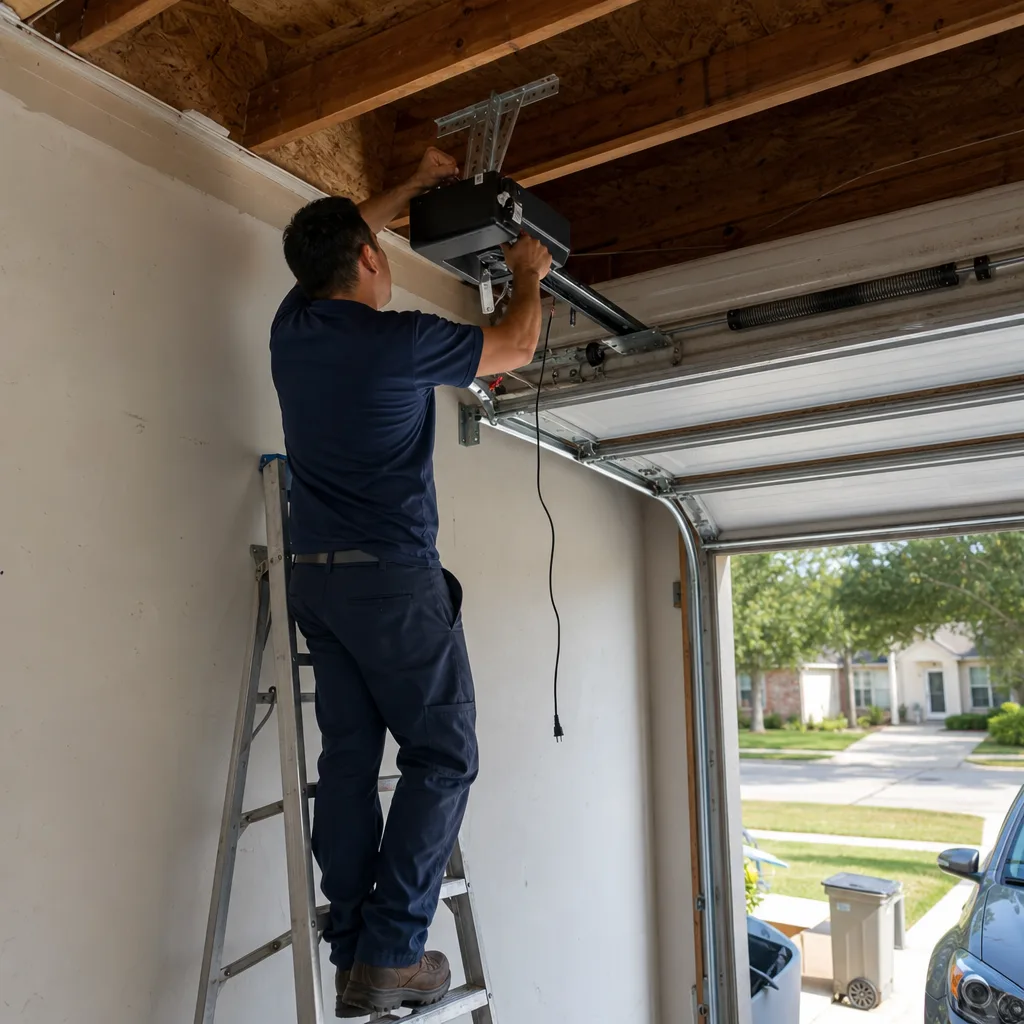
Here are the dollar ranges we see in Richardson as of this writing, based on work performed across the city’s neighborhoods. These are not internet guesses. This is what the work actually costs when the part is in hand.
| Component | Typical Repair Cost in Richardson | Notes |
|---|---|---|
| Single torsion spring replacement | $180-$340 | Includes labor and spring; most doors take two springs |
| Extension spring replacement (pair) | $140-$260 | Older Richardson doors; ask about safety containment cables |
| Lifting cable replacement (pair) | $120-$220 | Often done alongside spring replacement |
| Roller replacement (all) | $90-$180 | Nylon rollers run quieter and track cleaner |
| Bottom seal replacement | $70-$140 | Also addresses dust and insect intrusion at the sill |
| Photo eye realignment or replacement | $80-$180 | Affects door closing only; most common call type |
| Logic board replacement | $140-$320 | Model-dependent; Chamberlain and Genie boards are common |
| Operator replacement (belt or chain) | $350-$650 | Includes installation and programming |
| Full door replacement (16×7 steel) | $1,100-$2,400 | Material, insulation level, and window count change this range |
Two things determine where in these ranges your job lands. The first is the door’s size and weight; an 18×7 wood-overlay door in a custom Richardson build costs more to counterbalance than a 16×7 steel door in a 1980s subdivision. The second is whether the parts are common or special-order. Clopay and Amarr stock most of what Richardson homes need; niche hardware can add a week.
One thing that never changes: the price is quoted and agreed in writing before any work starts, per Clause 1 of The Haven Standard. That means the number on the written scope is the number on the invoice. No discovery calls. No “while we’re in there” adjustments.
Torsion vs. Extension Springs: Why the Distinction Matters
We opened this guide with the claim that the torsion-versus-extension question changes the repair bill by $80 to $220. Here is the math behind that claim.
A torsion spring system uses one or two springs mounted on the bar above the door. They wind and unwind to lift the door, and when they fail, they typically break clean at the coil. Replacement requires winding and unwinding under controlled tension, a process that can seriously injure an untrained person. The parts cost more, the labor takes longer, and the safety margins are stricter. A single torsion spring replacement in Richardson lands between $180 and $340, and most doors have two springs that should be replaced together, which brings the job to $320 to $680.
An extension spring system stretches along the track. The springs are cheaper, and the labor is faster. A pair of extension springs runs $140 to $260 installed. The gap between the two systems: $80 to $220, exactly what we said.
Why does it matter beyond price? Because an extension spring that breaks in an older Richardson home can send a steel hook flying across the garage if no safety cable runs through the spring’s center. That cable is a critical retrofit, not an upsell. We have seen what happens without one in a home near the University of Texas at Dallas, and the drywall told the story.
If you’re not sure which system your door uses, look at the wall above the opening. A solid steel bar with coiled springs on it: torsion. Springs running along the horizontal tracks: extension. Knowing this one fact before you call a technician in Richardson places you ahead of ninety percent of callers.
Garage Door Openers and the Logic Board Failure Pattern
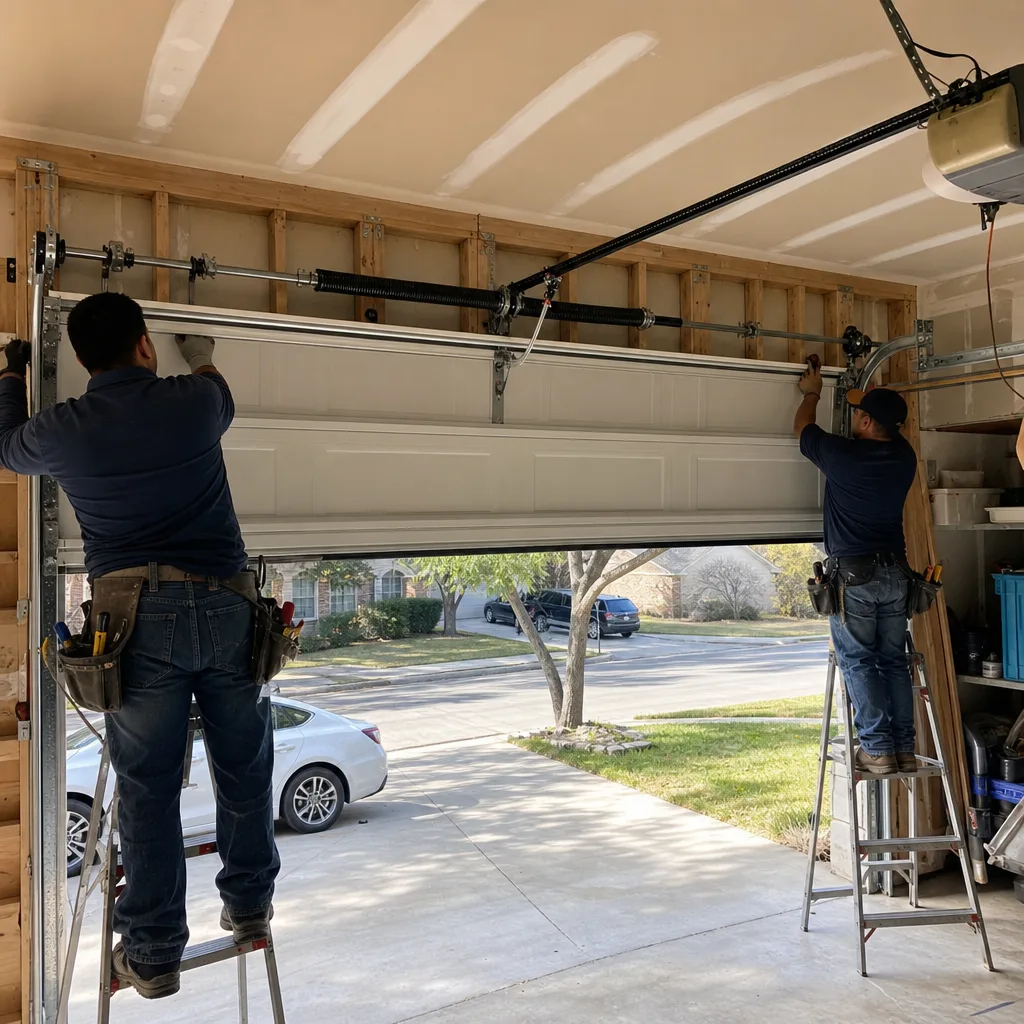
The operator, what most people call the opener, is the ceiling-mount motor unit. In Richardson, we see a recurring pattern with these units, and understanding it can save you from replacing something that just needed ten minutes of work.
The logic board is the printed circuit board inside the motor housing. It processes the signal from your wall button and remotes, and it tells the motor what to do. When a logic board starts to fail, the symptoms are strange: the opener works from the wall button but not the remote, or the remote opens but the wall button is dead, or the door reverses halfway for no visible reason. A Chamberlain opener that worked for seven years and then starts behaving erratically is, in most cases, not a dead motor. It is a failing logic board.
The board is replaceable. At $140 to $320 for the part and labor, a board replacement extends the life of a solid operator by several years. When the motor itself is burning out, you’ll hear it: a strained stutter, a grinding that gets worse over several cycles, or a complete silence when the relay clicks.
For Richardson homeowners considering a new opener rather than a repair, our angle is simple: get the unit whose failure pattern you understand. A belt-drive garage door opener repair or installation in Richardson with a steel-reinforced belt and a solid logic board is a known quantity. We install and service Genie, Chamberlain, and LiftMaster units because their parts are available and their failure modes are predictable.
A note on safety: garage door openers contain high-voltage wiring and a moving chain or belt under tension. If a board swap or a force-setting adjustment goes wrong, the result can be a door that closes on a person or a pet. The photo eyes and the auto-reverse function exist to prevent that. When any of these safety components are out of adjustment, the door is dangerous, not inconvenient. This is not a DIY category. Call a trained technician for anything in the operator unit.
Common Mistakes to Avoid
- Replacing one torsion spring instead of both. When one breaks, the other has the same number of cycles on it and is about to fail. Replacing both costs less per cycle and prevents a second service call two weeks later.
- Ignoring a frayed lifting cable. A cable with three broken strands will snap, and when it does, one side of the door drops. In Richardson, where garages often hold lawn equipment and stored furniture, a dropped corner is expensive.
- Painting over the rating label. A homeowner in Richardson Heights painted the door and covered the manufacturer’s sticker. Three years later, when the spring broke, the technician had to reverse-engineer the door weight by trial and error, adding an hour of labor.
- Buying a door without a wind-load rating for North Texas. If the door is cheap enough that no one at the store can tell you its wind load, it does not belong on a home that faces the spring storm season Richardson gets every year.
- Using lithium grease on nylon rollers. It attracts dust and turns into a grinding paste. The right product for Richardson’s construction dust is a silicone spray on the roller bearings, and even that is a monthly chore, not a one-time fix.
- Disabling the photo eyes to stop a reversing door. They are there for a reason: to prevent the door from landing on a child. A technician can realign them in ten minutes for under $100 in most Richardson homes.
- Accepting a verbal quote. The price before work starts should be written, with a written scope, every single time. If a contractor in Richardson can’t put it on paper, walk away.
When to Call a Professional
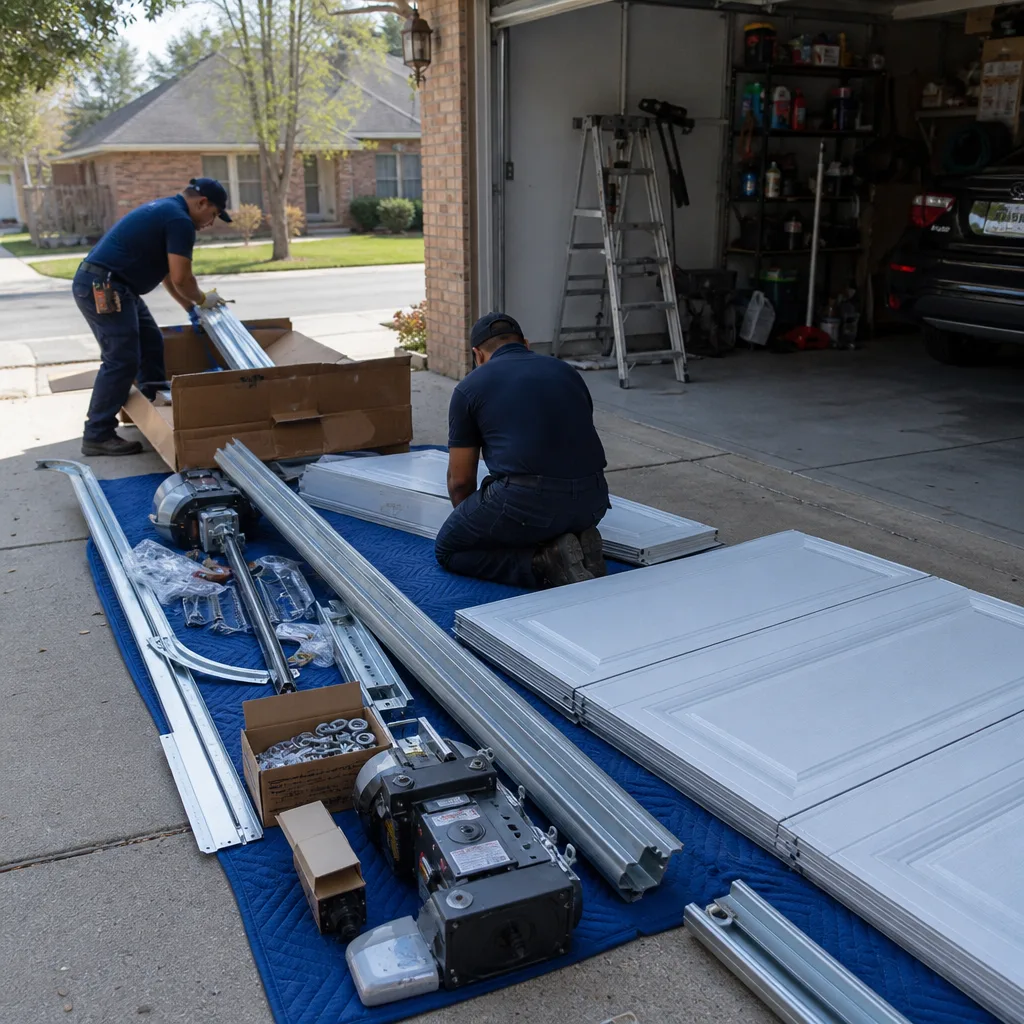
Any spring work on a Richardson garage door is professional territory. Torsion springs are wound to lethal tension, and a single misplaced winding bar goes through drywall or bone. Cable replacements, logic board swaps, and full door installations carry the same risk profile: heavy parts, stored energy, and failure modes that injure. If your door is off its tracks, your spring snapped, you hear grinding from the operator, or the door refuses to stay open, that is the moment to call a professional who can show proof of what they found. Servo Garage Doors Richardson offers free estimates on this work. Call (972) 980-5944 and we’ll put the price in writing before anything is touched.
Frequently Asked Questions
Single torsion spring replacement in Richardson typically costs $180 to $340 installed, while a pair of extension springs runs $140 to $260. Most two-spring torsion systems should have both springs replaced at once, bringing the total to $320 to $680. Call (972) 980-5944 for a written quote on your specific door. The price is always before work starts, never an estimate after the fact.
Most Richardson homes built since 1980 use a 16×7 door for a single double-wide opening or two single 8×7 or 9×7 doors for separate bays. Older homes in the Richardson Heights area sometimes have single 8×6 doors. When we measure a door for garage door installation in Richardson, the exact opening dimensions go into the written scope before any order is placed.
Look at the wall above your garage door opening. If you see a steel bar with coiled springs wrapped around it, you have a torsion spring system. If you see springs stretched along the horizontal tracks on either side of the door, you have extension springs. Knowing this before you call lets a technician bring the right parts on the first trip.
A 24-gauge or thicker steel door with a polyurethane core is the most hail-resistant practical choice for Richardson homes. Thinner 26-gauge steel will dent from quarter-size hail, while 24-gauge usually survives it. Fiberglass and vinyl resist denting but crack in hard freezes, which Richardson occasionally sees.
Note on storm claims: Richardson sits in a region where wind-load and hail ratings affect insurance claims. If you’re filing after a storm, we document the existing damage with photographs and a written report before any repair quote is generated, so you have the evidence the adjuster needs.
You can, but the risks are higher than most people assume. The operator contains high-voltage wiring, a moving chain or belt under tension, and safety sensors that must be precisely aligned or the door can close on someone. For a Richardson homeowner, the value of professional installation is a unit that is adjusted correctly on day one, programmed to your remotes, and documented when the technician leaves.
At minimum, you should leave a repair call with a written invoice, the part numbers of everything replaced, and a warranty statement. Servo Garage Doors Richardson goes further: every visit includes the documented photo record, a written scope, and a flat price that was agreed before the work. We follow this on every call, per Clause 4 of The Haven Standard: the customer sees the failed part before anyone quotes a replacement.
The Bottom Line
A garage door in Richardson is a system of springs, cables, panels, tracks, and an operator, and each part fails in its own predictable way. Learning the vocabulary, the price ranges, and the documentation you should demand takes an hour and saves you from the two most expensive outcomes: overpaying for a repair you didn’t need, and under-repairing a dangerous component you ignored. The average homeowner in Richardson who reads this guide will know more about their door than most callers. For more guides & resources, explore our blog, or if you want the paper trail that proves what we found and what we fixed, call (972) 980-5944. The price comes in writing, before work starts, every time.
Written by Marcus Deller, Owner at Servo Garage Doors Richardson, serving Richardson since 2015.