
Last updated September 20, 2026
Full 25-point door and opener safety check with every visit - springs, cables, rollers, tracks, and your LiftMaster or Chamberlain opener included
You get a price before we start. It does not change when the truck arrives.
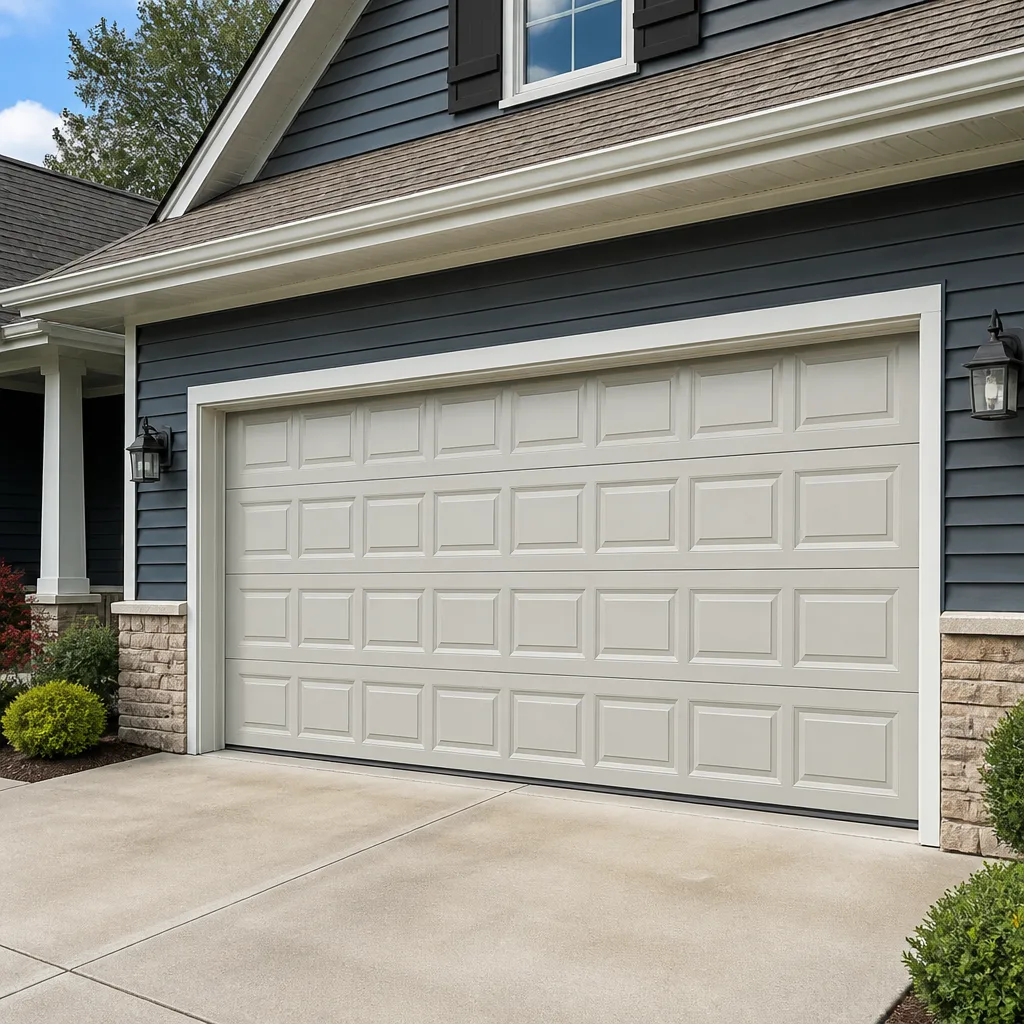
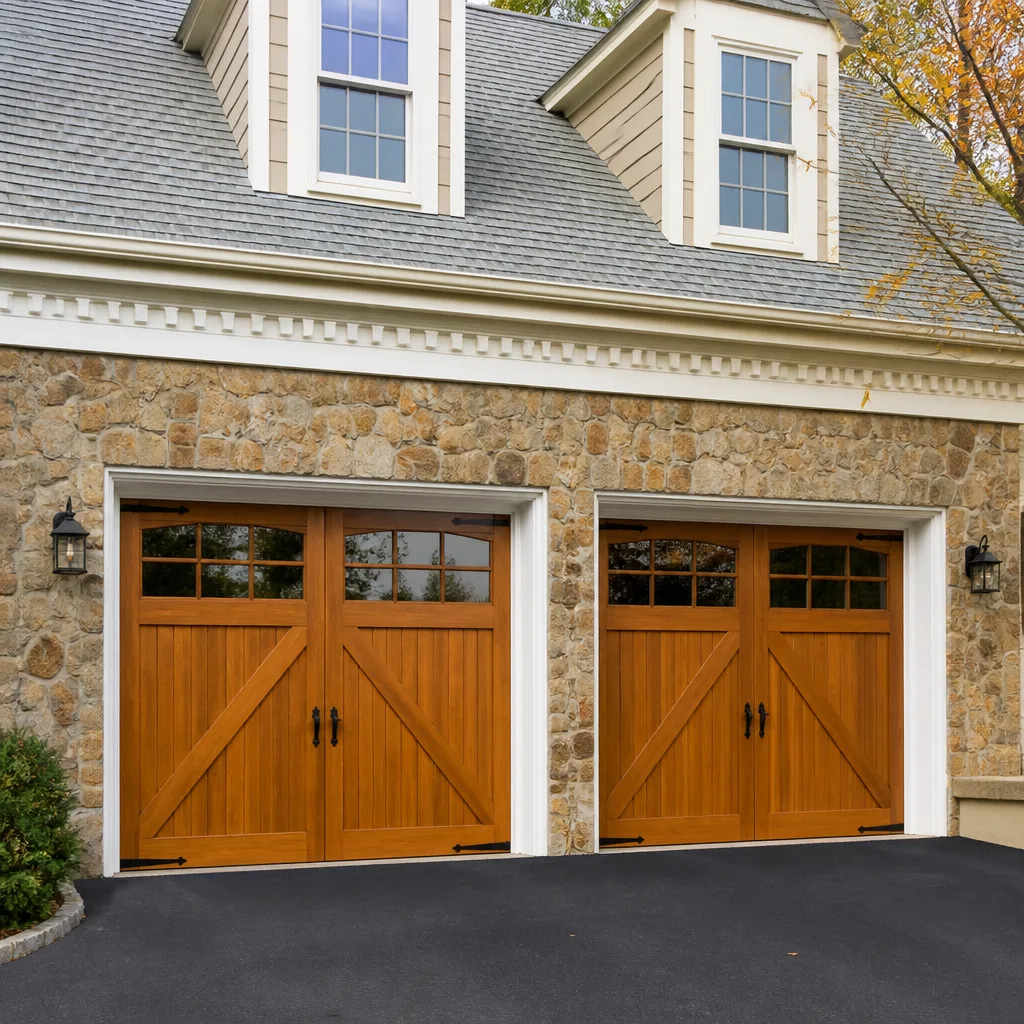

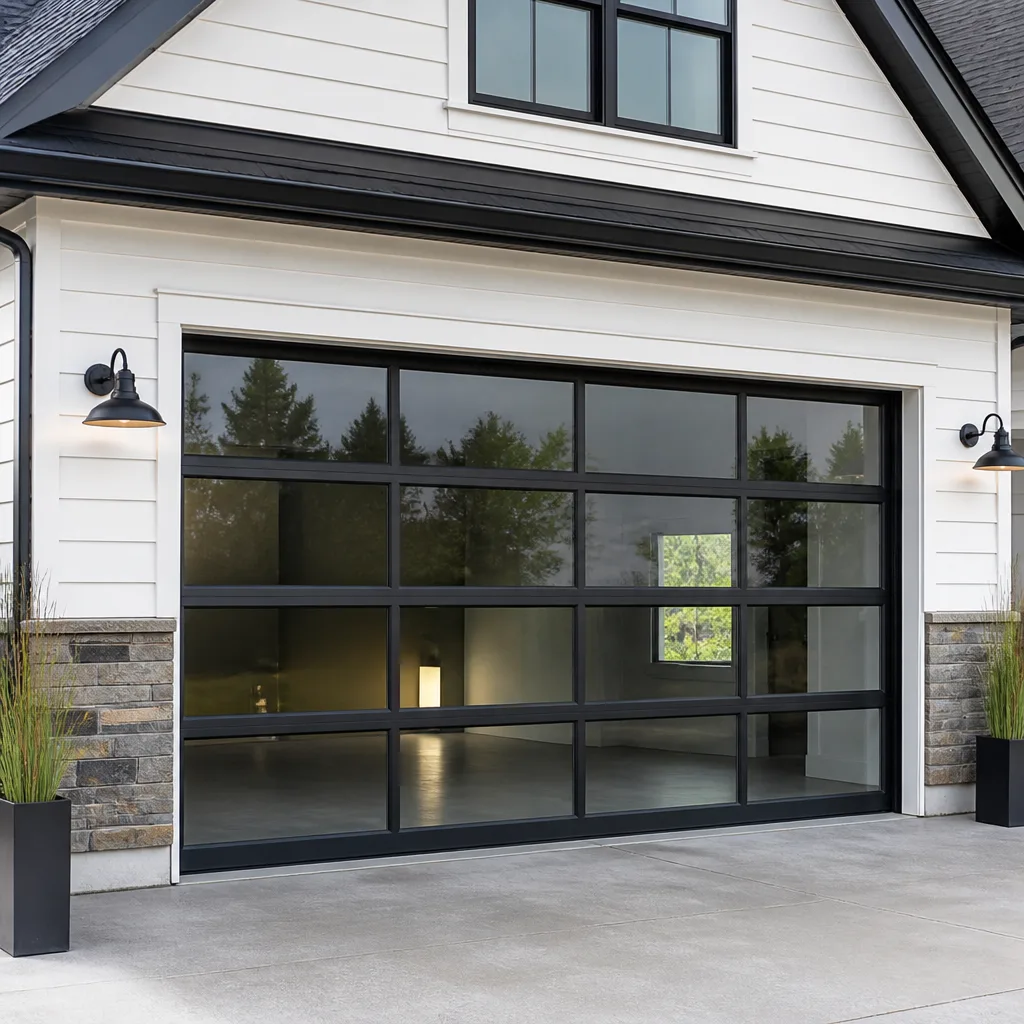
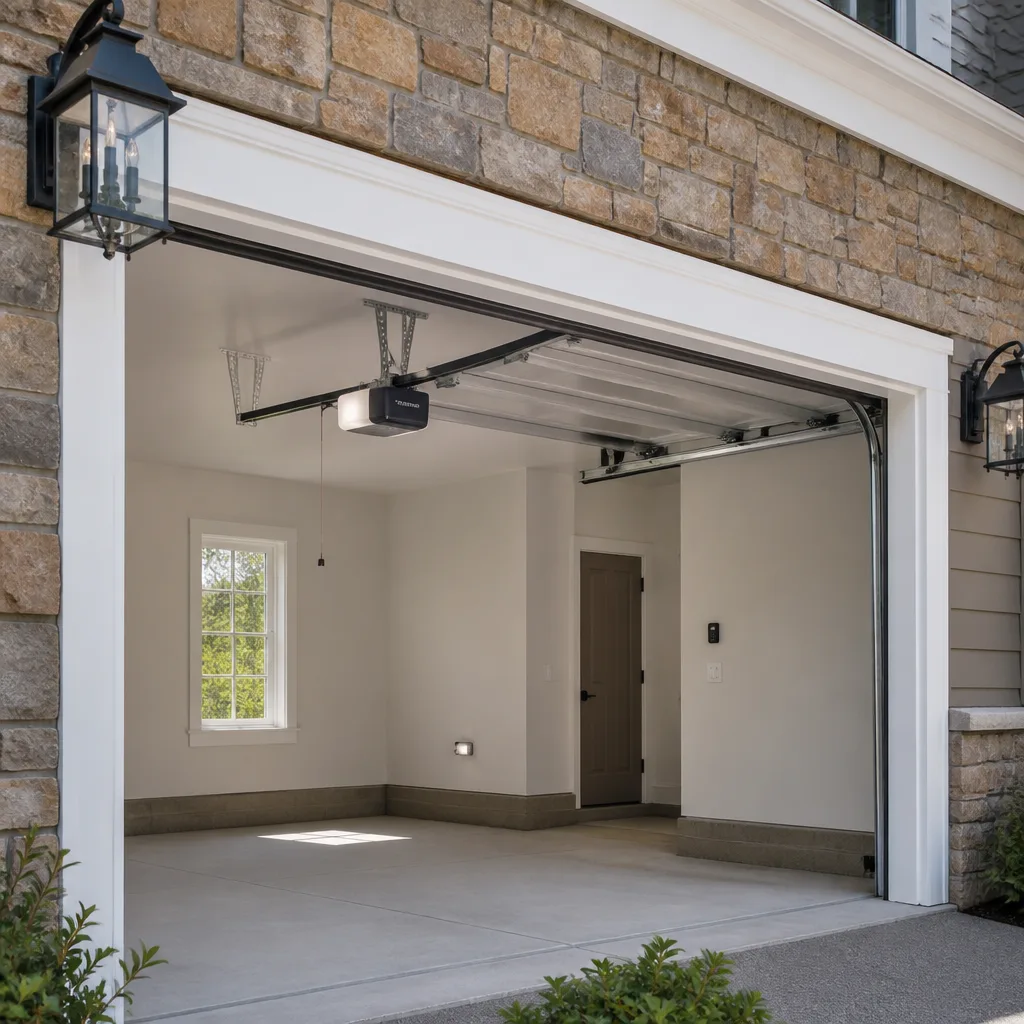
 Before
 After
After Before
 After
After Before
 After
AfterGarage Door Permits, Codes & Inspections in TX: What You Need to Know
A full garage door replacement in Richardson passes without a permit in most cases, but add an opener to an unfinished garage circuit and you’ve just triggered an electrical permit requirement many installers won’t tell you about. The work will pass an inspection just fine, and the opener will run for years without a problem. The issue surfaces later, at resale, when a 4-point inspection report shows an unpermitted circuit and the buyer’s lender wants it corrected before closing. This guide walks through the exact thresholds in Richardson, the Texas wind-load rules that quietly apply to Collin County installs, and the HOA overlays that older subdivisions add on top of city code. For related reading, see our Garage Door Warning Signs: A Richardson Homeowner’s Reference Guide. You’ll also learn how to get a written permit-exemption confirmation from the city so the question never bites you at the closing table.
Quick Answer
Most like-for-like garage door replacements in Texas do not require a city permit, including most replacements in Richardson under City of Richardson Development Services rules. A permit is required when you modify the door’s structural opening or header, alter the supporting wall framing, or install a new electrical circuit for a garage door opener in an unfinished garage. Confirming where your project falls takes one phone call to the city, and getting the answer in writing protects you at resale. See our Garage Door Repair Maintenance Checklist for Richardson Homeowners for additional steps to protect your investment.
Table of Contents
- When a Garage Door Permit Is Required in Texas
- Exact Permit Thresholds in Richardson
- The Opener Circuit: Where Richardson Homeowners Get Caught
- Texas Wind-Load Code and Collin County Amendments
- HOA Overlay Rules in Richardson’s Older Subdivisions
- What Happens at Resale Inspection When Work Was Unpermitted
- How to Request a Written Permit-Exemption Confirmation
- Common Mistakes to Avoid
- When to Call a Professional
- Frequently Asked Questions
BeforeAfterWhen a Garage Door Permit Is Required in Texas
Texas does not have a statewide garage door permit. Permit authority sits with each municipality, and most adopt the International Residential Code (IRC) with local amendments. Under the IRC, replacing a garage door with a door of the same size in the same opening is classified as a repair, not an alteration. Repairs do not trigger a building permit in most Texas cities.
A permit is required when the work crosses into alteration territory. That includes enlarging or widening the door opening, cutting new header framing, installing a new header beam, or changing the structural support around the opening. In plain terms, if the work touches the framing behind the trim, it is no longer a repair. It is an alteration, and the city wants a permit with plans showing the new header size and load path.
The second universal trigger is electrical. Any new circuit run to a garage door opener requires an electrical permit in virtually every Texas municipality. This is true even when the door itself needs no permit. We see this exact situation in Richardson regularly: a homeowner replaces a 2007 model opener with a new belt-drive unit, the installer adds a dedicated circuit because the old one shared a line with the garage lights, and nobody pulls a permit. The opener works. The problem is invisible until someone looks at the panel or the house goes under contract.
A useful rule of thumb: if the project involves tools that cut into framing or pull wire through conduit, assume a permit check is warranted. If the job is unbolting an old door and bolting a new one into the same opening, it is almost certainly repair work and exempt.
Exact Permit Thresholds in Richardson
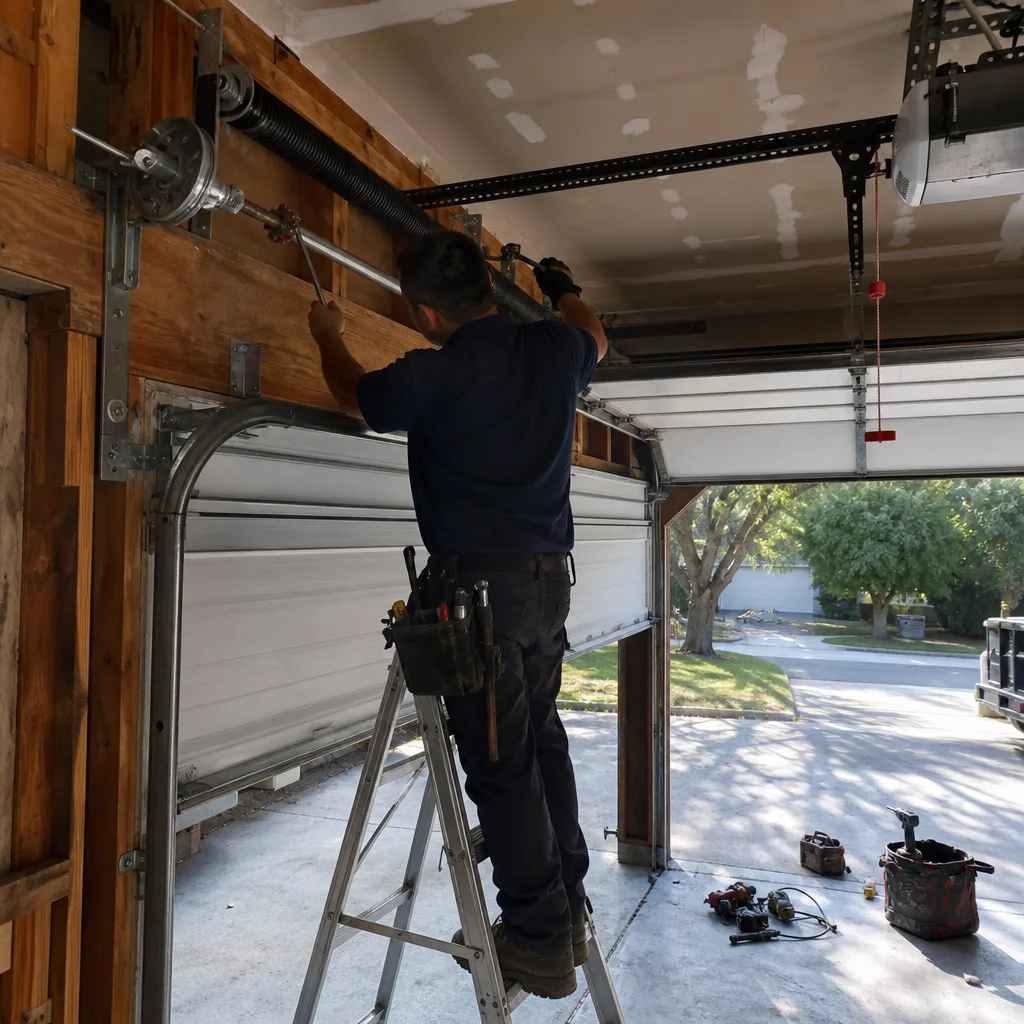
The City of Richardson Development Services department administers permits locally. Richardson follows the 2021 IRC with local amendments adopted by the city council. The amendments do not create a garage door permit where the IRC has none. A like-for-like replacement of a residential garage door with a door of the same dimensions, in the same opening, with no structural modification remains exempt.
Richardson issues a building permit when the project modifies the door opening. A structural header modification, a widened opening, or a change from a single door to a double door all require a permit. The city reviews the plans for header sizing, lateral bracing, and attachment details. The inspection list typically includes a framing inspection before the header is covered and a final inspection after the door is installed.
Richardson also requires a separate electrical permit for new circuits. If your existing opener draws power from an existing receptacle or a previously approved circuit, no electrical permit applies. If a new circuit, subpanel feed, or dedicated outlet is added to serve the opener, the electrical permit is mandatory. Richardson has not amended this requirement away, and single-family homes in the city’s older neighborhoods, including Canyon Creek, Cottonwood Heights, and Richland Park, were built before GFCI protection was standard in garages, which sometimes complicates retrofit work.
Here is what the thresholds look like in plain terms:
- No permit: Removing an existing sectional door and installing a new sectional door of the same width and height in the same opening. This includes replacing the tracks, springs, cables, and rollers.
- No permit: Replacing a garage door opener with a new unit that plugs into an existing, code-approved outlet.
- Building permit: Changing the opening width or height, replacing a header, or installing a new door where none existed.
- Electrical permit: Running a new branch circuit to a garage door opener, adding a subpanel in the garage, or installing a new grounded outlet where the opener will connect.
The threshold that surprises Richardson homeowners most often is the combination case: a new door plus a new opener circuit. The door has no permit, but the opener circuit does. Many contractors mention neither, and the city does not proactively inspect individual homes. The gap between code and practice is where resale problems come from.
The Opener Circuit: Where Richardson Homeowners Get Caught
The single most common unpermitted garage door condition we’ve encountered in Richardson is a new opener circuit installed without an electrical permit. Older homes in Richardson, particularly those built between 1965 and 1985, often have garage circuits that were never intended for a modern opener. A 1968-era garage outlet might share a 15-amp circuit with two bedrooms. A modern belt-drive opener with battery backup draws modestly, but the circuit still fails current code if it is being extended or modified.
Richardson requires an electrical permit for any new circuit, any circuit extension, or any new outlet installation. The work must be done by a state-licensed electrician or a homeowner who has passed the city’s homeowner electrical exam. The permitting process is straightforward: the electrician files the permit, schedules a rough inspection before drywall or sheathing covers the wire, and schedules a final inspection after the outlet and panel terminations are complete.
The problem is rarely the quality of the work. Most unpermitted circuits we see are perfectly safe. The problem is documentation. When a home goes under contract, the buyer’s 4-point inspection includes a review of the electrical panel. An inspector who finds a circuit that does not match any permit record flags it as an unpermitted modification. Lenders in Texas treat this as a defect that must be resolved before closing. The seller is then negotiating from weakness: pay to have the circuit permitted retroactively, pay for a licensed electrician to inspect and certify it, or credit the buyer.
The fix on the front end is simple. If your garage door opener installation includes any new wiring, ask the installer who will pull the electrical permit and what the inspection schedule will be. An installer who hesitates is telling you something useful.
Texas Wind-Load Code and Collin County Amendments
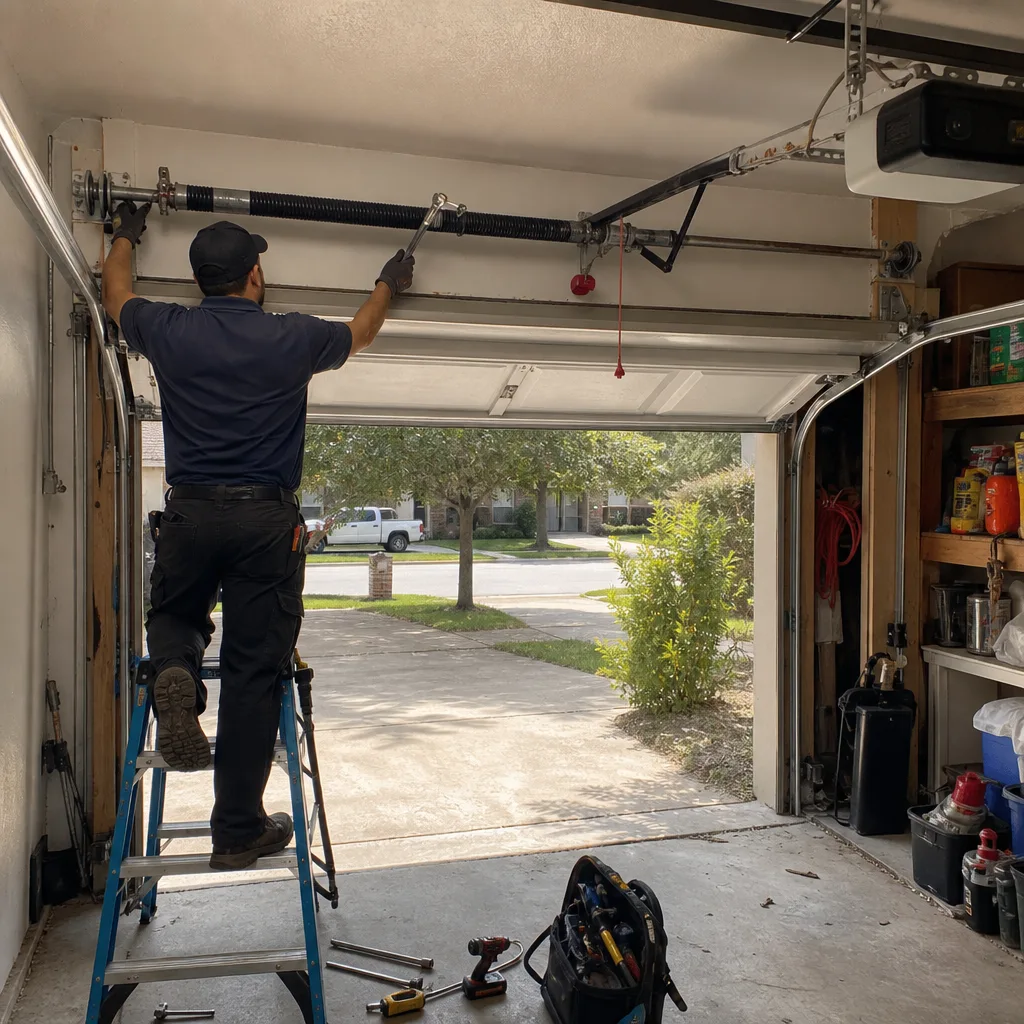
Texas is a wind-load state. The IRC requires garage doors to resist the design wind pressures mapped for the site, and the Texas Department of Insurance tracks windstorm requirements along the Gulf Coast, but the inland counties, including Collin County, are governed by the IRC with local wind speed maps. Richardson sits in a region where the design wind speed per the 2021 IRC maps is 115 mph for a Risk Category II structure.
What that means practically: a new garage door installed in Richardson must be rated for the design wind pressure at the opening. The manufacturer publishes a wind-load rating for each door model, expressed in pounds per square foot (psf). A door that meets the 2021 IRC wind provisions for Richardson will carry a rating that an engineer has matched to the local wind speed and exposure category. Larger doors, particularly double-wide doors over 16 feet, require higher ratings because the surface area is greater.
Collin County does not issue its own building permits for unincorporated areas in the same way Richardson does, but homes inside Richardson city limits follow Richardson’s adopted codes. Homeowners in the City of Dallas portion of Richardson have an extra overlay, as Dallas has its own amendments to the IRC. The key detail from a homeowner’s perspective: a door sold by a national retailer may or may not meet local wind-load ratings, and the installer is responsible for verifying it. Doors from Amarr and Wayne Dalton both publish engineering documentation that satisfies Texas wind-load requirements, and we verify that rating before quoting a replacement so the paperwork is in the folder when the project is done.
This is one area where doing the work without a permit does not exempt you from the code. The wind-load requirement applies to the installation, whether or not the city is inspecting it. A door that fails in a wind event, and was installed below the rating for the site, gives an insurer a reason to dispute the claim. The Texas wind event frequency in North Texas, not hurricanes but straight-line wind and microbursts from spring thunderstorms, makes this a real risk rather than a theoretical one.
HOA Overlay Rules in Richardson’s Older Subdivisions
Richardson’s older subdivisions were platted before the city’s current zoning rules, and many of them carry deed restrictions and HOA architectural guidelines that go beyond city code. These restrictions matter for garage doors because a door that passes every city requirement can still fail an HOA architectural review.
The older neighborhoods in Richardson, particularly Canyon Creek Estates, Cottonwood Heights, and the original Richardson Heights area, commonly impose material restrictions. A deed restriction may specify wood or wood-look doors only, or it may prohibit aluminum frame doors with visible mullions. Some plats restrict the color palette. Others limit the door style to raised panel or carriage house designs. These rules are enforced by the HOA architectural committee, not the city, and they apply even when a city permit is not required.
Dimensional restrictions are less common but still present. A few Richardson HOAs restrict a garage door replacement to the original opening dimensions, meaning an alteration that requires a city permit would also require HOA approval before work begins. The sequence matters: HOA approval first, then city permit, then work. Reversing the order creates a situation where the city is satisfied but the HOA can demand correction.
The practical step for any Richardson homeowner in an HOA subdivision is to read the architectural guidelines before selecting a door. If the guidelines are not in the closing documents, request them from the HOA management company. The review takes anywhere from a few days to 30 days depending on the HOA’s meeting schedule. A door replacement that is emergencies, like a garage door repair in Richardson where a spring has failed and the door is down, is treated differently by most HOAs: they will allow emergency work to restore function and then review the replacement door’s appearance. A planned replacement has no such allowance.
What Happens at Resale Inspection When Work Was Unpermitted
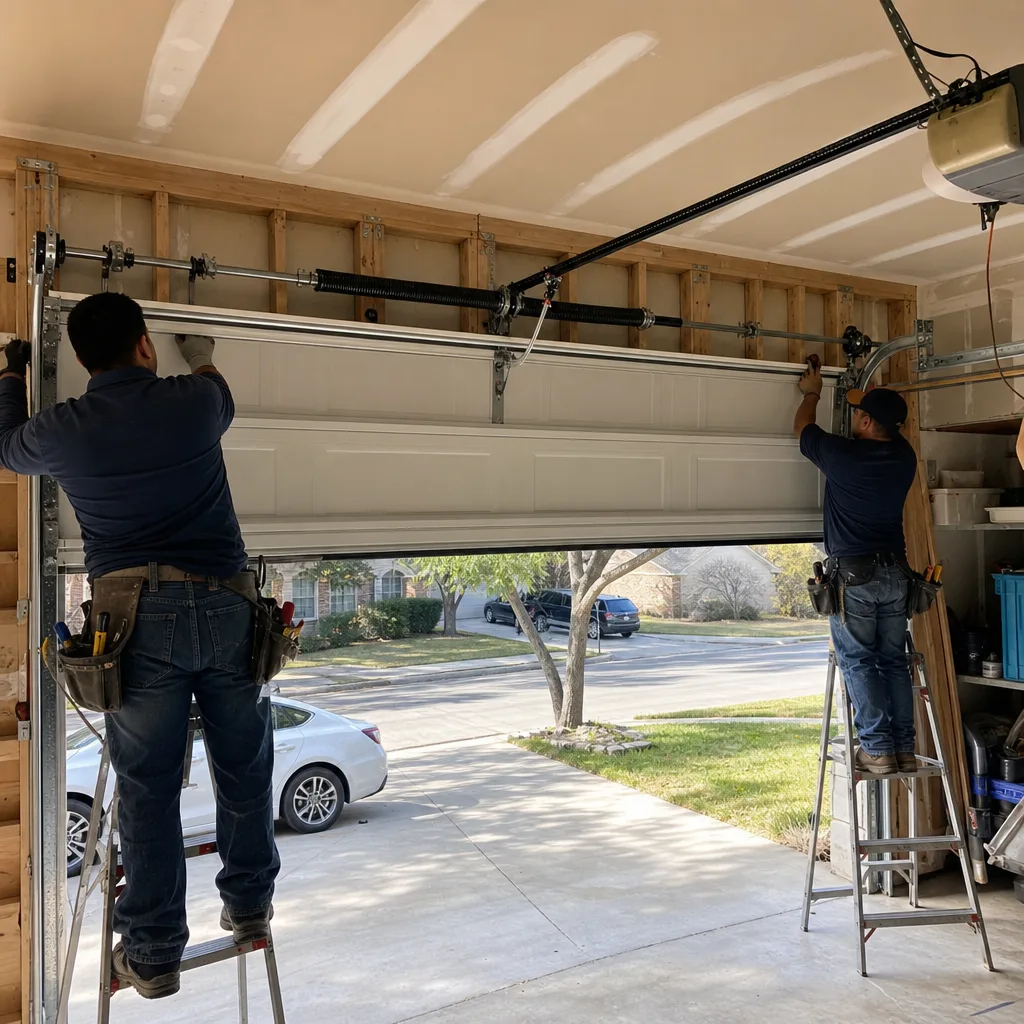
A 4-point inspection is a standard part of the home resale process in Texas. Insurance carriers want a report on the roof, HVAC, electrical, and plumbing before they issue a policy on a home that has been lived in. Garage door work shows up in the electrical and structural sections of that report.
An unpermitted opener circuit is the most common garage-related flag. The inspector opens the electrical panel, sees a circuit that was not on the last city permit record, and notes it. The note does not have to be dramatic. “Unpermitted electrical circuit to garage, verify” is enough. The lender’s underwriter then wants the issue resolved before closing. Resolution means one of three things: a retroactive permit from the city, a licensed electrician’s certification that the circuit meets code, or a credit to the buyer at closing. All three are more expensive than pulling the permit at the time of installation, and all three happen under the time pressure of a contract deadline.
Structural modifications are worse. If a previous owner widened the garage door opening, replaced the header, and never permitted the work, the inspector and the buyer’s structural consultant will look at the header size, the bearing points, and the fastening schedule. If the header appears undersized, the buyer will ask for an engineer’s letter or a repair. We have seen a Richardson sale delayed for three weeks over a header that was probably adequate but had no paperwork to prove it.
The lesson is not that unpermitted work is always defective. It is that documentation is the asset. A house with every permit in the city’s file closes faster than an identical house with none. The door may be identical in both cases. The paper trail is the difference.
How to Request a Written Permit-Exemption Confirmation
Richardson Development Services will confirm in writing when a project does not require a permit. The request is informal: an email to the department with the property address, a description of the proposed work, and a specific question. The department responds with a written determination. That email is the document you keep.
Here is the step-by-step process that has worked for homeowners we have served:
- Write the email before work starts. Address it to Richardson Development Services. State the property address, the current door size, the proposed replacement door size, and whether any electrical work is planned.
- Ask a yes-or-no question. “Does this project require a building permit or electrical permit under current Richardson code?” Avoid open-ended questions that invite a non-committal response.
- Save the written response. A printed copy of the city’s email confirming no permit is required goes in the home’s paper file. If the house sells years later, this document answers the inspector’s question before it is asked.
- If a permit is required, pull it. The question is not whether the work can be done without one. It is whether you want the work to be an asset or a liability at resale.
This step costs nothing and takes one business day. It is the single highest-leverage action in this guide. We include the city’s written determination in the project folder on every replacement we do in Richardson, whether a permit applies or not. The customer leaves with the same documentation we would want if the house were ours.
Door Selection and the Documentation That Follows
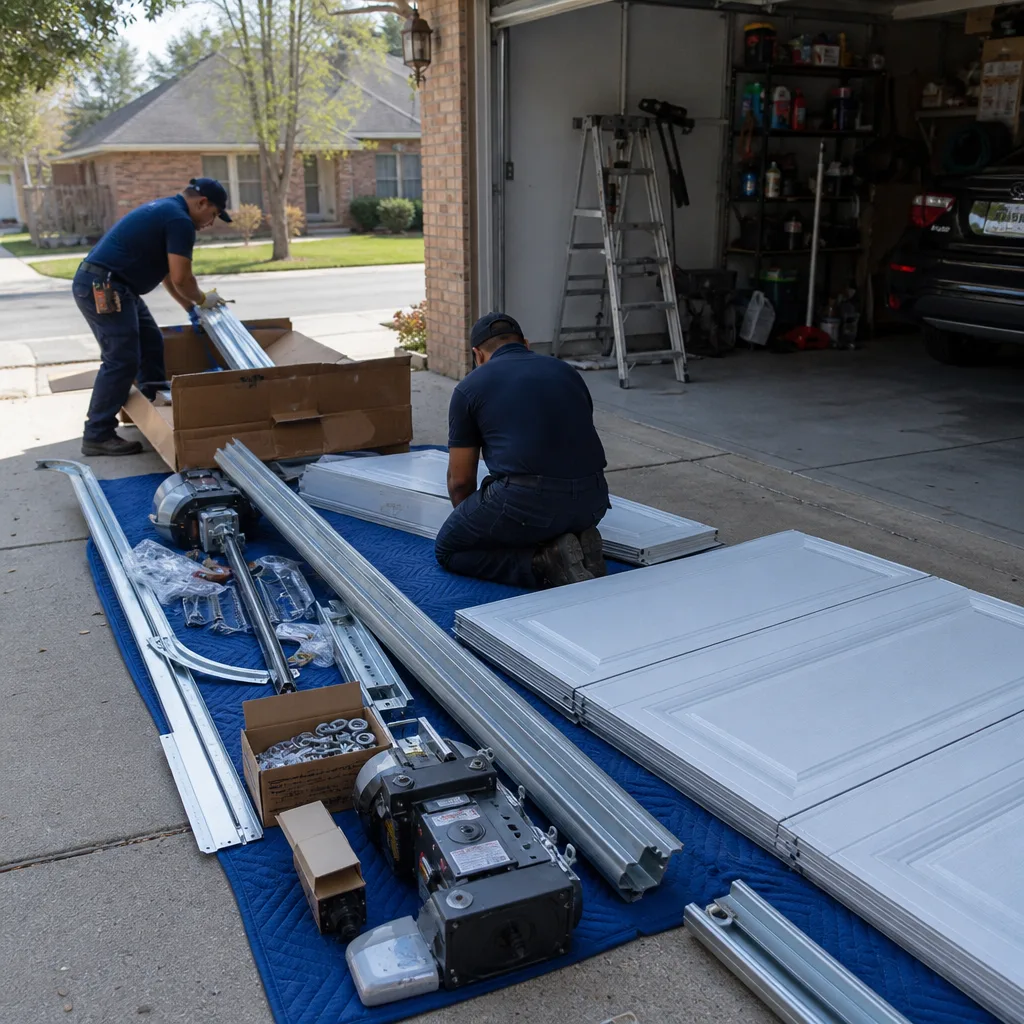
The door you choose determines what documentation exists later. A door from a manufacturer that publishes engineering data, tested wind-load ratings, and installation instructions that meet IRC requirements gives you a paper trail. A door from a no-name importer with a translated manual and no engineering contact does not. The difference matters to an insurance adjuster after a storm and to a buyer’s inspector at resale.
We install doors from Amarr, Wayne Dalton, Raynor, and Craftsman, and the engineering documentation is part of why. Each of these manufacturers publishes load ratings and code references for their residential doors. When a Richardson homeowner asks us to document that their new door meets the city’s wind requirements, we can pull the manufacturer’s data and the city’s written confirmation in one file. That file is worth more than any verbal assurance.
For a complete garage door installation in Richardson, the documentation package is the same as the one our founding rule required on every job: a written price before work starts, a photo record of what was found, and a written scope of work. The permit paperwork, or the city’s written exemption, is included because it is part of the job, not an add-on.
Inspection Checklists: What Gets Reviewed
When a garage door project does require inspection in Richardson, the inspector works from a checklist. Knowing what is on the list helps you understand what a permit actually buys you.
For a building permit involving a header or opening change, the inspector will check:
- Header size and span matches the approved plan and the engineered load requirement
- Bearing points have full wood-to-wood contact with no shim gaps
- Jack studs and king studs are the correct count and size for the header
- Anchor bolts and fasteners meet the schedule on the plan
- The door opening is square and the finished dimensions match the permit
For an electrical permit on a garage circuit, the inspection includes:
- Wire gauge matches the circuit breaker rating
- The circuit is GFCI-protected where the current code requires it for garage receptacles
- Boxes are properly grounded and all terminations are secure
- The panel has no double-tapped breakers and the new circuit is labeled
These inspections are not adversarial. They exist to catch the specific failures that cause fires, structural movement, and door failures. Most work passes on first inspection when it was done by someone who does it every day.
Common Mistakes to Avoid
- Assuming “no permit” means “no code.” Wind-load requirements, HOA restrictions, and safety standards apply whether or not a permit is pulled. The permit is documentation of compliance, not the source of it.
- Adding an opener circuit without an electrical permit. This is the single most common resale defect we see in Richardson garages. The circuit costs more to resolve at closing than it would have cost to permit at installation.
- Widening the opening without checking the header. A wider door changes the load on the header. If the header was not sized for the new span, the wall sags over time, and the telltale is a door that binds at the top corners.
- Skipping the HOA architectural review. A door that the city approves and the HOA rejects is not a finished project. The review is slower than the permit and it is harder to fix after the fact.
- Losing the paperwork. The permit, the city’s exemption letter, the door’s wind-load documentation, and the installer’s written scope are all part of the house’s value. A folder with all of them is an asset at resale.
- Treating a garage door replacement as a cosmetic purchase. The door is a structural element in a wind-load state and an electrical element when paired with a new opener circuit. The cheapest door that looks right may carry no engineering documentation at all.
- Pulling the trigger before asking the city. The one-email confirmation process takes a business day. It answers every question in this guide for your specific address, and the written answer protects you later.
When to Call a Professional
A garage door replacement in Richardson is not a DIY project, and the permit conversation is part of why. The door itself weighs more than it looks like it weighs, the torsion spring system stores enough energy to cause serious injury if released incorrectly, and the code requirements change between jurisdictions. A trained technician handles the spring installation and the door balance work, but the professional you want on the permit and documentation side is one who will show you the city’s written response and include it in the project file. For help choosing the right professional, read How to Hire a Garage Door Contractor in Richardson: A Step-by-Step Guide. Servo Garage Doors Richardson offers free estimates in Richardson, with a written price and written scope before any work begins in line with Clause 1 of The Haven Standard. Call (972) 980-5944 for an estimate that includes the permit and documentation answer for your specific address.
Frequently Asked Questions
No permit is required for a like-for-like replacement in Richardson, meaning a new door of the same size installed in the same opening with no structural changes. A permit is required if the opening is enlarged, the header is modified, or new framing is installed. You can confirm your specific case with one email to Richardson Development Services.
Building permit fees in Richardson vary by project valuation, and an electrical permit for a new opener circuit is typically under $100. The cost of not pulling the permit, measured at resale, is consistently higher than the fee itself. Call (972) 980-5944 and we’ll help you determine whether your project needs a permit at all.
You can install an opener that plugs into an existing, code-approved outlet without an electrical permit. If the installation adds a new circuit, extends an existing circuit, or installs a new outlet, Richardson requires an electrical permit. The work must be done by a licensed electrician or a homeowner who has passed the city’s electrical exam.
Yes, if your home is in a subdivision with architectural guidelines. Richardson’s older neighborhoods, including Canyon Creek and Richardson Heights, commonly restrict door material, color, and style. The HOA review runs separate from the city process, and HOA approval should happen before any work begins on a planned replacement.
A 4-point inspection will likely flag an unpermitted opener circuit or an undocumentable structural modification. Lenders then require a retroactive permit, an engineer’s certification, or a closing credit. All three cost more under contract deadline pressure than the original permit would have cost, and all three delay the sale.
Email Richardson Development Services with your property address, the current door dimensions, the proposed door dimensions, and any planned electrical work. Ask a yes-or-no question about whether a permit applies. Save the written response, as it answers the question for any future buyer or inspector. The process takes about one business day and costs nothing.
The Bottom Line
A garage door replacement in Texas is a permit-optional project in most cases and a permit-required project in a few specific ones. The distinguishing factor is whether the work touches framing or electrical wiring. Richardson homeowners do not need a permit for a like-for-like door replacement, but they do need one for a header change or a new opener circuit, and they may need HOA approval before either. The written record matters more than the permit itself: the city’s exemption letter, the manufacturer’s wind-load documentation, and the installer’s written scope are all assets that travel with the house. The question to answer before any garage door work in Richardson is not “will it pass inspection” but “is the paperwork in the folder where a buyer’s inspector can find it.”
Written by Marcus Deller, Owner at Servo Garage Doors Richardson, serving Richardson since 2015.
For a free estimate on any garage door project in Richardson, including the permit and documentation answer for your specific address, call Servo Garage Doors Richardson at (972) 980-5944. We’ll quote a flat written price with a written scope before any work begins, and we’ll leave you with the documented record of what was found and what was done. Visit our Servo Garage Doors Richardson home page to see how we work.